

The Vital Role of Dental Implants in Oral Rehabilitation
Dental implants have revolutionized prosthetic dentistry by providing a stable, long-term solution for tooth loss. Unlike removable dentures or fixed bridges that rely on adjacent teeth, implants preserve alveolar bone, restore occlusal function, and offer superior esthetics. UPenn Barun Dental Clinic’s implant protocols emphasize meticulous planning, advanced biomaterials, and comprehensive patient education—cornerstones of predictable, high-success implant therapy for both local and foreign patients.
1. Prevention of Alveolar Bone Resorption
Following tooth loss, alveolar bone undergoes rapid resorption—up to 25% height reduction within the first year—compromising future prosthetic options. Implants act as functional roots, transmitting occlusal forces to the bone and preserving ridge dimensions. Timely implant placement prevents ridge collapse, facilitating simpler restorative work and maintaining adjacent tissue architecture.
2. Restoration of Masticatory Function and Nutrition
Removable dentures often reduce bite force by 50% or more, limiting dietary choices and nutrient intake. Implants restore near-natural chewing efficiency, enabling patients to consume a broader range of foods—from crunchy vegetables to lean proteins—supporting systemic health. Consistent masticatory strength also helps maintain digestive function and metabolic balance.
3. Improved Speech and Comfort
Prostheses anchored to implants eliminate the bulk and movement of removable dentures, resolving speech impediments and gag reflex triggers. Patients experience enhanced comfort, absence of soft-tissue sores, and the confidence to speak and laugh without fear of prosthesis dislodgement.
4. Longevity and Maintenance of Adjacent Teeth
Fixed dental bridges require grinding healthy adjacent teeth to support pontics, subjecting natural tooth structure to potential endodontic complications. Implants spare neighboring teeth entirely, preserving enamel integrity and reducing downstream restorative needs. Longitudinal studies report >95% five-year survival rates for modern implant systems, underscoring their durability.
5. Psychological Well-Being and Quality of Life
Tooth loss can erode self-esteem and social engagement. Implant-supported restorations deliver lifelike esthetics and function, restoring smiles and confidence simultaneously. Patient-reported outcome measures consistently rank implants higher than conventional prostheses for satisfaction, social comfort, and overall quality of life.
Conclusion
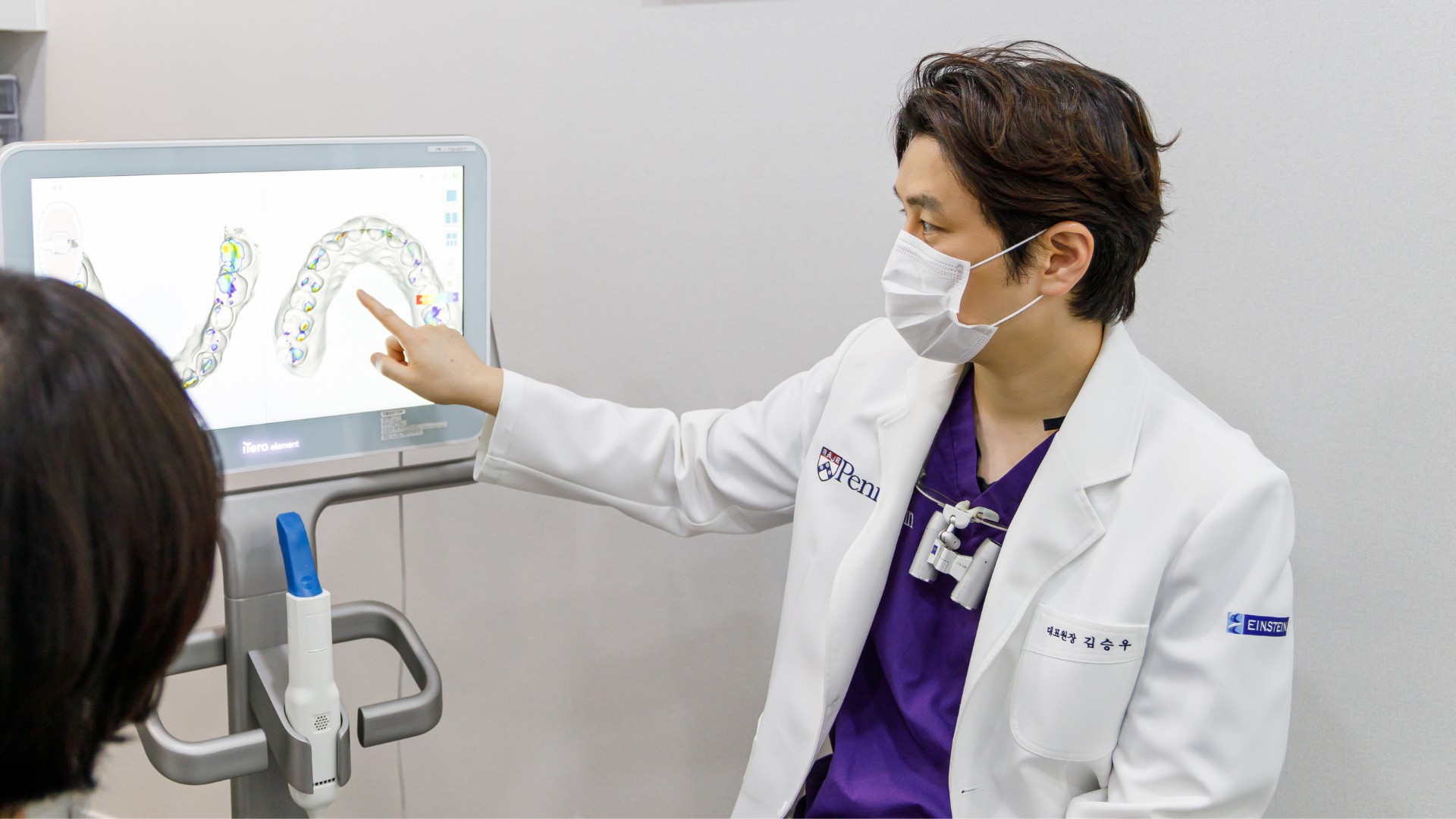
Dental implants represent a paradigm shift in oral rehabilitation, offering unparalleled functional, esthetic, and psychosocial benefits. UPenn Barun Dental Clinic combines digital 3D planning, premium biomaterials, and native English support to guide patients through each step—from diagnosis to long-term maintenance—ensuring implant therapy remains the gold standard for replacing missing teeth.
upennbarundental / US ORTHODONTIST