

The Importance of General Orthodontic Treatment
Orthodontic alignment extends far beyond creating a straighter smile; it is foundational to lifelong oral health, function, and psychosocial well-being. At UPenn Barun Dental Clinic, general orthodontic treatment—encompassing traditional braces and adjunctive mechanics—addresses malocclusion, improves mastication, enhances periodontal stability, and reduces the risk of temporomandibular disorders. Understanding its importance empowers patients to pursue timely intervention.
1. Preventing Pathology Through Proper Alignment
Crowded or protruded teeth create plaque-retentive niches, increasing susceptibility to tooth decay and periodontal disease. Well-aligned dentition simplifies oral hygiene—brushing and flossing reach all surfaces—thereby reducing long-term restorative needs. International studies correlate malocclusion severity with higher caries incidence; general orthodontics corrects these risk factors at their root.
2. Improving Masticatory Efficiency and Digestion
Even occlusal forces distribution is critical for effective chewing, which initiates digestion and nutrient absorption. Malaligned teeth can produce non-uniform bite forces that strain teeth, periodontal ligaments, and jaw joints, leading to uneven wear, sensitivity, or temporomandibular joint (TMJ) pain. By guiding teeth into ideal arch forms, orthodontic treatment optimizes function, reduces muscle tension, and supports systemic health.
3. Enhancing Speech and Phonetics
Dental misalignments—such as anterior open bites or crowding—interfere with precise tongue positioning during speech. Orthodontic correction often resolves lisps, sibilant distortions, and other articulatory issues, benefiting both native and non-native English speakers. At UPenn Barun, English-fluent orthodontists assess phonetic improvements as part of comprehensive treatment plans.
4. Preventing TMJ Disorders and Facial Asymmetry
Chronic bite discrepancies exacerbate TMJ loading, contribute to joint degeneration, and can manifest as headaches, ear pain, or facial asymmetry. Traditional braces, supplemented with bite-splint therapy when indicated, realign occlusal planes and redistribute forces symmetrically. Early orthodontic intervention helps mitigate long-term joint pathology.
5. Addressing Growth-Related Malocclusions
In adolescents and young adults, interceptive orthodontics can guide jaw growth, minimize skeletal discrepancies, and reduce the need for surgical correction. General orthodontic mechanics—such as expansion appliances or growth-modification devices—are prescribed based on cephalometric analysis. UPenn Barun’s dual-language consultations ensure families understand timing and compliance requirements.
6. Psychological and Social Benefits
A balanced smile boosts self-esteem and social confidence, factors linked to positive mental health. Surveys indicate that improved dental aesthetics correlate with enhanced professional opportunities and interpersonal interactions. General orthodontics thus yields intangible benefits that extend into personal and career domains.
Conclusion
General orthodontic treatment is a multifaceted intervention with far-reaching effects on oral health, function, and quality of life. At UPenn Barun Dental Clinic, evidence-based protocols, advanced biomechanics, and native-level English communication ensure that both local and international patients receive the full spectrum of orthodontic benefits—transforming smiles and health in tandem.
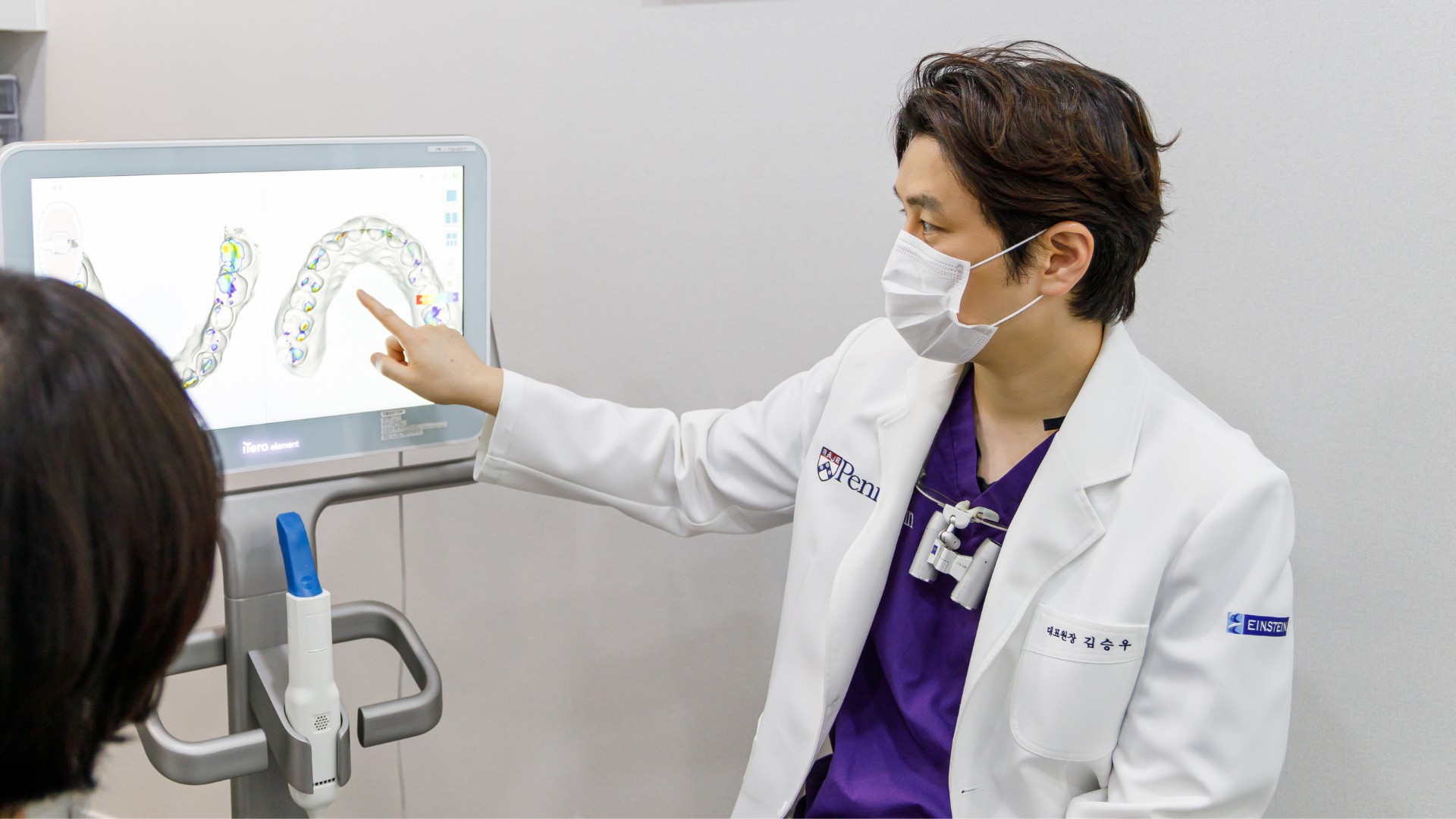
upennbarundental / US ORTHODONTIST