
The Critical Role of English-Fluent Korean Dentists in Seoul
When foreign patients travel to Seoul for dental care, clear communication underpins every aspect of their experience—from explaining symptoms to consenting to treatment plans. Having a Korean dentist who speaks English fluently is not merely a convenience; it is a clinical imperative that affects safety, efficacy, and overall patient satisfaction. UPenn Barun Dental Clinic exemplifies how English-fluent Korean practitioners bridge linguistic and cultural divides, ensuring optimal outcomes for international visitors.
1. Informed Consent and Clinical Accuracy
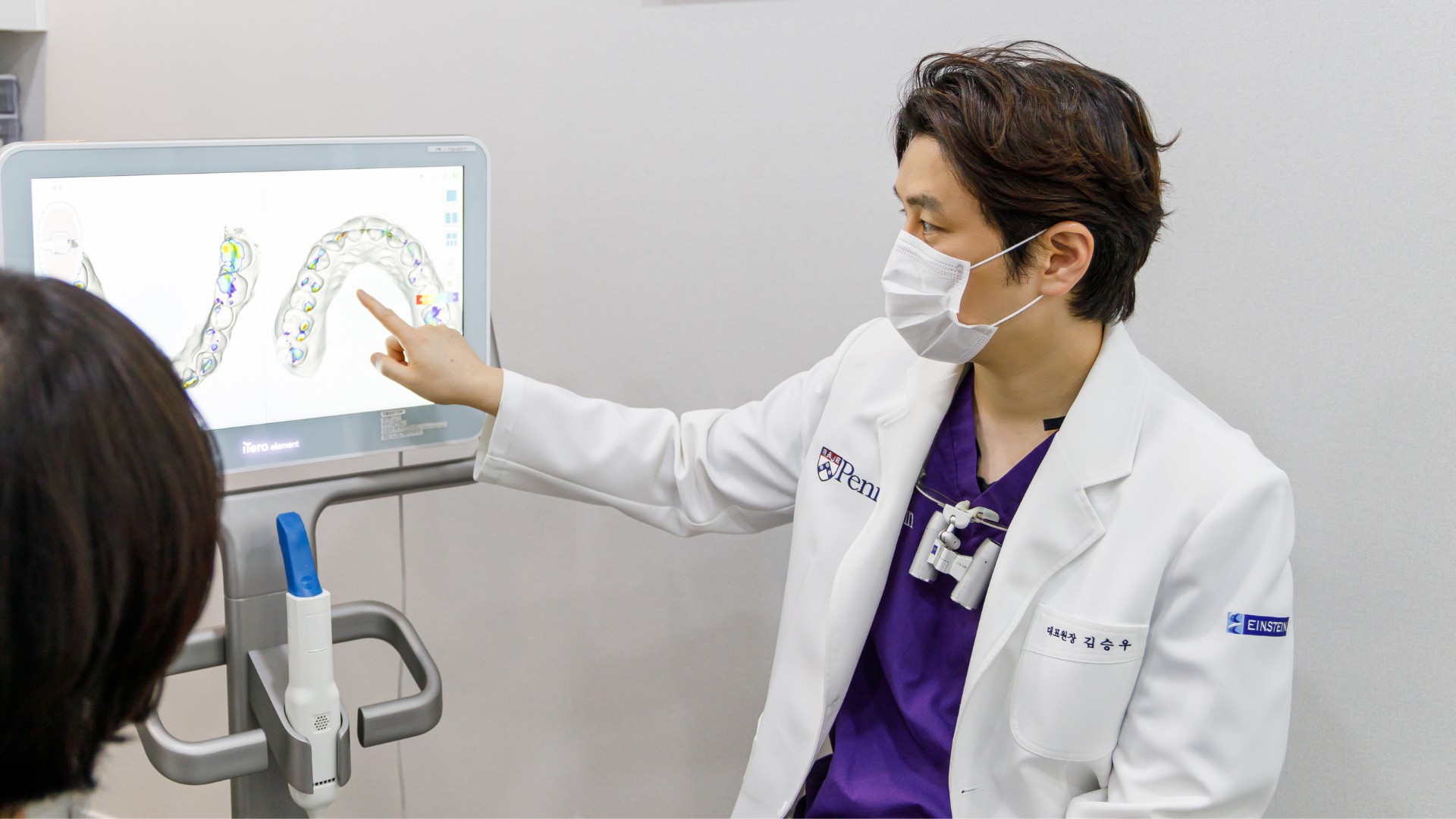
Effective consent requires that patients fully understand proposed procedures, risks, benefits, and alternatives. Studies show that language barriers increase the likelihood of misunderstanding consent forms and post‐operative instructions, which can lead to complications or dissatisfaction. English-fluent dentists at UPenn Barun explain treatment goals, step‐by‐step protocols, and potential side effects in clear, jargon-free language. This dual-language proficiency eliminates ambiguity, empowers patients to ask questions, and promotes shared decision-making aligned with international ethical standards.
2. Precise Diagnosis and Treatment Planning
Diagnosing complex dental conditions—such as temporomandibular joint disorders or multi-rooted endodontic challenges—often hinges on subtle patient descriptions. A dentist proficient in English can probe symptoms without misinterpretation, capture nuanced medical histories, and coordinate interdisciplinary consultations. At UPenn Barun, English conversations about pain triggers, orthodontic discomfort, or implant sensations ensure that radiographic findings and clinical exams translate into accurate, personalized treatment plans.
3. Enhanced Patient Comfort and Reduced Anxiety
Navigating a foreign country’s healthcare system can be stressful. Patients who can converse freely in English report lower anxiety levels during visits and procedures. UPenn Barun’s English-speaking staff—from receptionists to specialists—provide a consistent, reassuring presence. Simple courtesies, such as explaining each instrument’s purpose or narrating procedural steps in real time, foster trust and reduce patient apprehension, which has been shown to improve pain tolerance and cooperation.
4. Efficient Emergency Management
Dental emergencies—such as acute infections, fractured teeth, or post-operative complications—require immediate, unambiguous communication. English-fluent clinicians can rapidly triage symptoms over the phone, advise interim self-care, and arrange urgent appointments without time lost to translation. This level of responsiveness is crucial for international patients whose itineraries may not allow extended delays.
5. Continuity of Care Across Borders
Many foreign patients combine dental care with business travel or tourism. English proficiency facilitates seamless coordination when patients must return home before completing multi-phase treatments. UPenn Barun provides comprehensive English documentation—radiographs, digital treatment summaries, medication records—that patients can share with their home-country providers, ensuring continuity and minimizing redundant diagnostics.
6. Cultural Sensitivity and Professional Rapport
Beyond language, cultural competence enhances the patient-clinician relationship. English-fluent Korean dentists understand both Western and Korean healthcare norms, allowing them to navigate expectations around consent, pain management, and professional boundaries. This cultural bridge strengthens rapport and fosters a collaborative environment where patients feel respected and understood.
Conclusion
For foreign patients in Seoul, an English-fluent Korean dentist transforms dental care from a procedural necessity into a clear, comfortable, and empowering journey. UPenn Barun Dental Clinic’s commitment to bilingual excellence sets a benchmark for international patient safety, satisfaction, and clinical success.
upennbarundental / US ORTHODONTIST