
upenn barun dental
Jaw Surgery and Orthodontics in Korea: Key Facts for Foreign Patients
July 31, 2026|Orthodontic|By UPenn Barun Dental Clinic
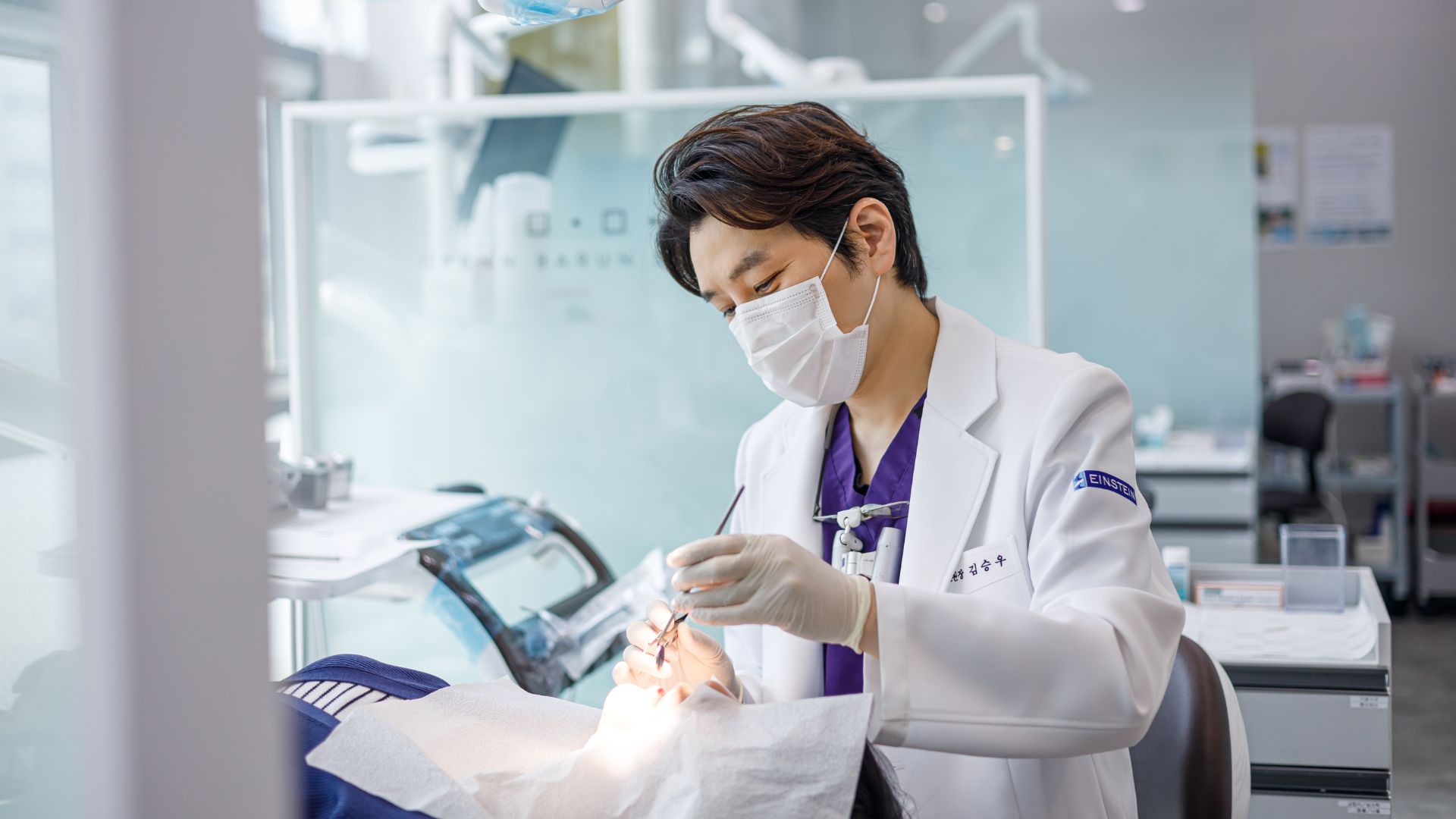
Orthognathic (jaw) surgery combined with orthodontic treatment corrects skeletal bite and jaw alignment problems that braces or aligners alone cannot fix, and for foreign patients in Korea it means a coordinated plan between an orthodontist and an oral and maxillofacial surgeon spanning roughly 18 to 24 months. Severe underbites, open bites, or facial asymmetry sometimes cannot be corrected with orthodontics alone, requiring surgical repositioning of the jaw. For international patients considering this in Korea, the process involves more moving parts than standard braces treatment: two specialists, a longer timeline, and a hospital stay for the surgical phase. Understanding how the pieces fit together — and communicating clearly at every step — makes a significant difference in outcome and peace of mind.
1. What Orthognathic Surgery Treats
Jaw surgery addresses skeletal discrepancies between the upper and lower jaw that go beyond what tooth movement can correct.
- Significant underbites or overbites caused by jaw size or position, not just tooth angulation.
- Open bites where the front teeth cannot meet even with the back teeth closed.
- Facial asymmetry or a shifted midline linked to uneven jaw growth.
2. The Combined Treatment Sequence
Surgical orthodontic cases follow three connected phases rather than one continuous course. Pre-surgical orthodontics first aligns and levels the teeth within each jaw, deliberately not correcting the bite, since surgery will reposition the jaws to meet the teeth. The surgery itself is performed by an oral and maxillofacial surgeon at a hospital, followed by several months of post-surgical orthodontics to fine-tune the final bite and settle the occlusion.
3. Why Diagnosis Accuracy Matters Before Surgery
Surgical treatment planning depends on precise skeletal analysis, since the surgery plan is built directly from the orthodontist’s diagnosis.
- 3D imaging and cephalometric analysis identify exactly how much and in which direction each jaw must move.
- Model surgery and digital simulation predict the post-surgical bite before the operation happens.
- An imprecise pre-surgical plan can mean a bite that does not settle correctly afterward.
4. Coordinating Between Orthodontist and Surgeon
Because two specialists manage a surgical case, clear communication between them — and with the patient — is essential. At UPenn Barun Dental Clinic, the orthodontist manages diagnosis, pre-surgical alignment, and post-surgical finishing, coordinating with affiliated oral and maxillofacial surgeons for the operative phase and reviewing surgical planning together so nothing is lost in translation between providers.
5. Timeline and Trip Planning for Foreign Patients
Surgical orthodontic cases require more advance planning than standard treatment, since the surgery itself typically involves a short hospital stay.
- Pre-surgical orthodontics generally takes 9 to 14 months and can often begin well before the planned surgery date.
- The surgical phase usually requires several days of hospitalization plus initial recovery time in Korea.
- Post-surgical orthodontic finishing continues for another 6 to 12 months, which can often be managed with periodic visits.
6. Communication Without a Language Barrier
Surgical orthodontic decisions carry real weight, and understanding every option in detail matters. The clinic director at UPenn Barun is a native English speaker and a board-certified specialist under the American Board of Orthodontics (ABO), trained at the University of Pennsylvania, so treatment planning, imaging review, and surgical coordination are explained directly in English without relying on an interpreter.
7. Cost and Insurance Considerations
Combined jaw surgery and orthodontic cases involve separate costs for the orthodontic and surgical phases.
- Korea’s national health insurance may cover a portion of medically necessary orthognathic surgery for eligible patients, while orthodontic treatment itself is typically not covered.
- Foreign patients should confirm eligibility and coverage details in advance, as insurance status varies by visa and residency type.
- Requesting an itemized estimate for both the orthodontic and surgical phases helps avoid unexpected costs.
Ask about current estimates during a consultation, since surgical hospital fees are set independently of the orthodontic practice.
Conclusion
Jaw surgery combined with orthodontic treatment is a significant commitment, and foreign patients deserve to understand every phase of it clearly before starting. UPenn Barun Dental Clinic in Jamsil, Songpa-gu, offers English-language diagnosis and treatment planning from an ABO board-certified specialist, coordinating closely with surgical partners so the process stays clear from first consultation to final result — schedule a consultation to discuss whether your case may involve a surgical component.
Frequently Asked Questions
Does UPenn Barun Dental Clinic perform the jaw surgery itself?
No. The clinic manages the orthodontic diagnosis, pre-surgical alignment, and post-surgical finishing, and coordinates with affiliated oral and maxillofacial surgeons who perform the operation at a hospital setting.
How long does combined jaw surgery and orthodontic treatment take?
Most cases take roughly 18 to 24 months in total: about 9 to 14 months of pre-surgical orthodontics, a short hospital stay for surgery, and 6 to 12 months of post-surgical finishing to settle the bite.
Can I start pre-surgical orthodontics before arriving in Korea?
In some cases, yes, if records can be reviewed remotely and a treating orthodontist abroad coordinates with the Korean team. It’s best to discuss your specific X-rays and models during an initial consultation to confirm feasibility.
Is jaw surgery covered by insurance for foreign patients in Korea?
Korea’s national health insurance may cover part of medically necessary orthognathic surgery for eligible enrollees, though coverage depends on visa and residency status, and orthodontic treatment itself is typically not covered. Confirm eligibility before starting treatment.
upennbarundental / US ORTHODONTIST