

upenn barun dental
Key Signs You’re a Candidate for Invisalign as an Adult Patient in Seoul
August 22, 2026|Invisalign|By UPenn Barun Dental Clinic
Most adults are good candidates for Invisalign if they have mild to moderate crowding, spacing, or bite issues, healthy gums, and enough discipline to wear aligners 20-22 hours a day — a short consultation with digital scans is usually enough to confirm it. Foreign patients weighing dental treatment in Korea often hesitate to book a consultation without knowing whether their case even qualifies. The good news is that Invisalign candidacy is easier to self-check than most patients expect, and a single visit with 3D scanning can turn an educated guess into a confirmed treatment plan.
1. Signs of a Straightforward Invisalign Case
Many adults fall into this category without realizing it, since Invisalign now treats a wider range of cases than it did a decade ago.
- Mild to moderate crowding or gaps between teeth, including relapse after old braces.
- A bite that is close to normal, with only minor overbite, underbite, or crossbite.
- Teeth and jaw that have finished growing, with no active orthodontic emergencies.
2. Cases That Need Closer Evaluation
Severe crowding, large bite discrepancies, missing teeth, or previous jaw surgery don’t automatically rule Invisalign out, but they do require a specialist’s judgment rather than a self-assessment. This is precisely where treatment by a board-certified orthodontist matters most, since borderline cases are the ones most often mismanaged by less experienced providers.
3. Oral Health Prerequisites
Aligners move healthy teeth predictably; they cannot move teeth sitting on unstable gum or bone.
- Gums free of active periodontal disease or significant inflammation.
- No untreated cavities or infections that need addressing first.
- Adequate bone support around the teeth to be moved.
4. Commitment and Lifestyle Fit
Invisalign’s flexibility is also its main requirement: results depend entirely on wear time.
- Willingness to wear aligners 20-22 hours per day, removing only to eat and brush.
- Comfort with a fixed change schedule, typically every one to two weeks.
- Ability to keep occasional in-person or remote check-ins during treatment.
5. Why a Same-Day Scan Consultation Matters for Foreign Patients
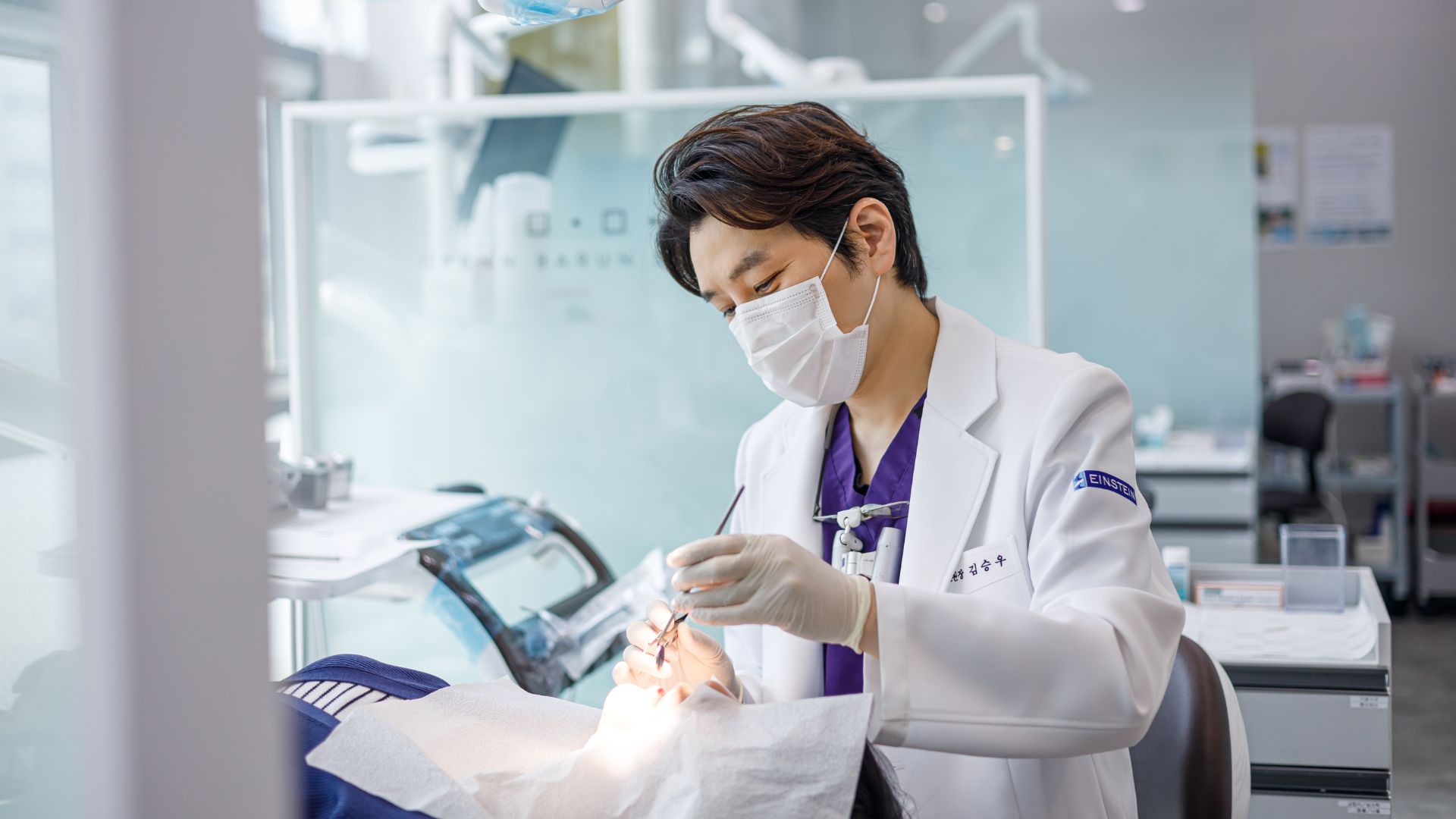
For patients on a limited trip to Korea, guessing at candidacy from home wastes valuable time. A single consultation using 3D intraoral scanning can confirm eligibility, simulate the projected outcome, and outline a realistic timeline before you commit to a longer stay or a return visit.
6. The Value of an English-Speaking, ABO-Certified Evaluation
Candidacy assessments involve judgment calls — how much crowding is truly mild, whether a bite issue needs bracket support first — that are easy to get wrong without proper training.
At UPenn Barun Dental Clinic, the director trained at the University of Pennsylvania and holds American Board of Orthodontics certification, and explains every finding directly in English, with no interpreter in the room.
Conclusion
Rather than trying to diagnose your own case from photos or forums, the most reliable way to know if you’re a candidate for Invisalign is a direct evaluation with digital scans and a specialist who can explain the findings clearly. UPenn Barun Dental Clinic in Jamsil, Songpa-gu — a short walk from Jamsilsaenae Station Exit 5 — offers that evaluation entirely in English, so you can leave your first visit with a real answer instead of more uncertainty.
Frequently Asked Questions
Can I find out if I’m a candidate for Invisalign without visiting the clinic first?
A rough sense is possible from photos, but a confirmed answer requires a 3D intraoral scan and bite check done in person. Many foreign patients book this as their first appointment in Seoul specifically to get a same-day answer before deciding on further treatment.
Does having missing teeth or dental work rule me out?
Not necessarily. Missing teeth, crowns, or old bridgework require a closer look, but many of these cases are still treatable with Invisalign when planned correctly. This is exactly the kind of borderline case that benefits from a board-certified orthodontist’s assessment.
How long is the consultation for candidacy assessment?
Typically 30-45 minutes, including scans, photos, and a direct conversation about findings. Foreign patients with short trips can often get scan results and a treatment simulation on the same visit.
What if I’m not a candidate for Invisalign — are there alternatives?
If aligners aren’t suitable, options like ceramic or metal braces can address the same issues, sometimes with better control for complex bites. The consultation will lay out which approach fits your case and timeline in Seoul.
upennbarundental / US ORTHODONTIST