

upenn barun dental
Implant vs Root Canal in Korea: Cost, Longevity, and Decision Criteria for International Patients in Seoul
November 1, 2026|Implant|By UPenn Barun Dental Clinic
A root canal with a crown is usually the better first choice when enough healthy tooth structure remains, while an implant is stronger when the tooth cannot be restored predictably. In Korea, both are widely available, so the decision should rest on the condition of the tooth, not on price alone. Many foreign patients in Seoul face this choice with a painful or broken tooth, limited time, and an unfamiliar healthcare system. Understanding how the two options compare on cost, durability, and timing makes the conversation with your dentist much clearer.
1. Can the Tooth Be Saved?
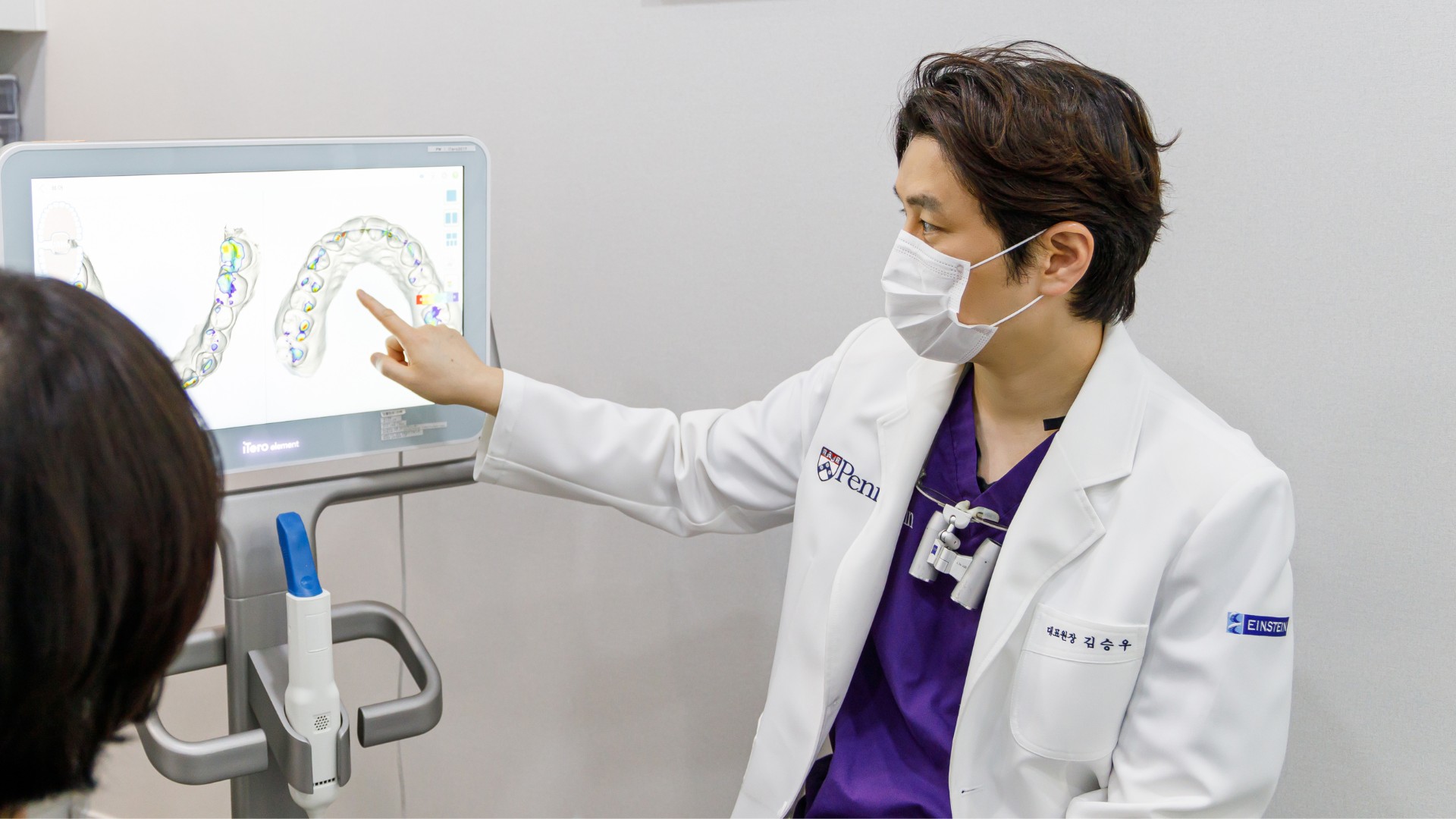
The most important question is structural, not financial. Dentists examine the tooth with X-rays or 3D imaging before recommending either path.
- A tooth with a healthy root and enough remaining structure is usually a good candidate for a root canal and crown.
- Deep vertical cracks, severe decay below the bone level, or repeated failed root canals often point toward extraction.
- Keeping your natural tooth, when it is realistic, preserves bone and avoids surgery.
A second look by a conservative dentistry specialist can change the recommendation.
2. Cost Comparison in Korea
Fees in Korea are generally lower than in the United States, but they vary by clinic, materials, and the complexity of the tooth. A root canal with a crown typically costs less in total than a single implant with its abutment and crown, though a retreatment or a build-up can narrow that gap. Ask for a written, itemized estimate in English so you can compare like with like.
3. Longevity and Maintenance
Both treatments can last many years when the underlying cause is controlled and hygiene is good, although neither is permanent.
- A root-canal-treated tooth with a well-fitted crown can serve for decades, but it can still fracture or develop new decay.
- An implant cannot decay, yet the surrounding gum and bone can suffer from peri-implantitis if plaque is not controlled.
- Regular check-ups and cleanings matter for both, especially for smokers and patients with diabetes.
4. Treatment Time for Short Stays
A root canal and crown can often be completed in a few visits over a couple of weeks, which suits many visitors. An implant involves healing time, often several months, between placement and the final crown, and the case may be split across trips or coordinated with follow-up care at home. Tell your dentist how long you will be in Korea so the plan fits your schedule safely.
5. Insurance and Residency
Coverage depends on your status and the procedure.
- Foreign residents enrolled in Korea’s national health insurance may receive partial coverage for some endodontic care.
- Implants are largely out of pocket for most adults, with limited coverage rules for older patients.
- Visitors and travelers should expect to pay privately and keep itemized receipts for overseas claims.
Confirm your own eligibility before treatment, since rules and enrollment status differ.
6. How to Decide With Confidence
Weigh the tooth’s prognosis first, then cost, timeline, and your long-term plans in Korea.
- Ask what the realistic success outlook is for each option on your specific tooth.
- Ask what happens if the saved tooth fails later, and whether an implant would still be possible.
- Choose a clinic that explains risks plainly and keeps your records in English.
Conclusion
The best choice is the one that protects your long-term oral health and fits your time in Korea. At UPenn Barun Dental Clinic in Jamsil, our English-speaking director, who trained at the University of Pennsylvania and is board-certified by the American Board of Orthodontics, and our conservative dentistry team explain every option without an interpreter. If you are unsure whether to save or replace a tooth, we welcome you to book a consultation.
Frequently Asked Questions
Is a root canal cheaper than an implant in Korea?
In most cases, yes. A root canal with a crown usually costs less overall than an implant with its abutment and crown. However, a tooth that needs retreatment or a major build-up may cost more. Request an itemized estimate in English to compare both options accurately for your tooth.
Which lasts longer, an implant or a root canal tooth?
Neither is guaranteed to last forever. A crowned root-canal tooth can last decades if the remaining structure stays sound, and implants can also last many years with good hygiene. Longevity depends mostly on tooth condition, bite forces, gum health, smoking, and regular dental check-ups.
Can I finish treatment during a short stay in Korea?
A root canal and crown can often be completed in a few visits within a couple of weeks. Implants need months of healing before the final crown, so they may require follow-up visits or coordination with a dentist at home. Share your travel dates at the first consultation.
Will my Korean health insurance cover these treatments?
Foreign residents enrolled in national health insurance may receive partial coverage for some root canal care, while implants are mostly paid privately. Visitors without enrollment generally pay in full. Check your eligibility and any overseas insurance claim requirements before starting treatment.
upennbarundental / US ORTHODONTIST