

upenn barun dental
Front Tooth Resin Bonding in Seoul: Closing Gaps, Fixing Chips, and Smoothing Edges in One Visit
November 20, 2026|Seoul Dentist|By UPenn Barun Dental Clinic
Front tooth resin bonding in Seoul uses tooth-colored composite to close small gaps, repair chips, and even out worn edges, and it is often completed in a single visit with little or no drilling. It is one of the most conservative cosmetic options available, which makes it well suited to short stays in Korea. Many expats and visitors want a quick cosmetic fix without committing to months of treatment or major tooth reduction. Bonding can be a good fit when the change is small and the tooth is otherwise healthy. At UPenn Barun Dental Clinic in Jamsil, every step is explained in English by a U.S.-trained, ABO board-certified director, so you know exactly what to expect.
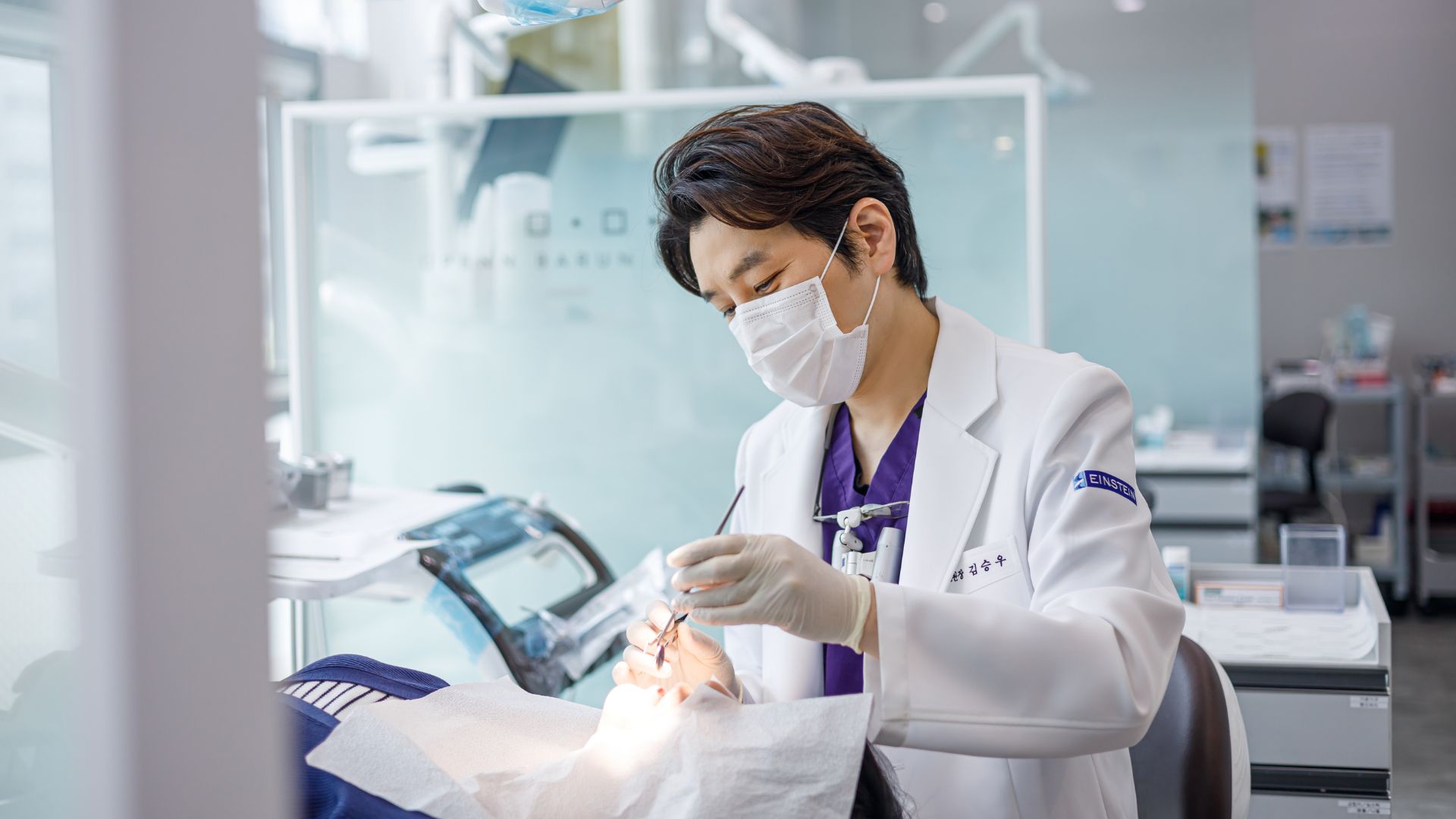
1. When Bonding Is the Right Choice
Bonding works best for minor, localized concerns on otherwise healthy front teeth. Larger changes may call for aligners, braces, or porcelain veneers instead.
- Small gaps between front teeth can often be closed in one appointment.
- Minor chips and rough edges can be rebuilt to match the natural tooth shape.
- Slightly uneven edge lengths can be balanced for a more harmonious smile line.
An honest evaluation comes first, and we will tell you if another option would serve you better.
2. Consultation and Shade Planning
Your visit begins with an exam, photographs, and a conversation about what you want to change. We confirm that the teeth and gums are healthy and discuss realistic results before any material is placed. Everything is discussed in English, with no interpreter needed.
3. The Bonding Process Step by Step
Most front tooth bonding is done in a single appointment, usually without anesthesia when the change is small.
- The surface is lightly prepared and conditioned so the resin can bond securely.
- Composite is applied in thin layers, sculpted to the right shape, and hardened with a curing light.
- The result is trimmed, polished, and checked with your bite so it feels natural.
4. Typical Cost and Insurance
Cosmetic bonding is generally not covered by Korean national health insurance, so it is usually a self-pay treatment. Pricing varies with the number of teeth and the complexity of the repair, and it is typically lower than veneers. We provide a clear written estimate in English before treatment begins, so there are no surprises. Many international patients also appreciate that bonding avoids the multiple visits that other cosmetic options require.
5. Aftercare for Long-Lasting Results
Composite resin is durable but can stain or chip if it is not cared for. A few simple habits help the result last.
- Limit coffee, red wine, tea, and tobacco, especially in the first 48 hours.
- Avoid biting hard objects such as ice, pens, or fingernails with bonded teeth.
- Keep up with brushing, flossing, and regular cleanings so the polish stays smooth.
Bonding can be polished or repaired later if needed, and a night guard may be advised for patients who grind.
6. Why Patients Choose UPenn Barun in Jamsil
Our director is a native English speaker trained at the University of Pennsylvania and board-certified by the American Board of Orthodontics, bringing a careful, bite-aware approach to even small cosmetic changes. Our pediatric and conservative dentistry specialists focus on preserving natural tooth structure. The clinic is a short walk from Jamsilsaenae Station Exit 5 in Songpa-gu, convenient for residents and visitors alike.
Conclusion
If a small gap, chip, or uneven edge is bothering you, bonding may give you a natural-looking result in a single visit. Our English-speaking team in Jamsil is happy to assess your teeth and explain your options clearly. We invite you to book a consultation at UPenn Barun Dental Clinic whenever it suits your schedule in Seoul.
Frequently Asked Questions
How long does front tooth bonding take in Seoul?
Most cases are finished in a single visit, typically 30 to 90 minutes depending on how many teeth are treated and how complex the shaping is. Closing several gaps takes longer than repairing one chip. We will give you a time estimate at your consultation so you can plan around a short stay in Korea.
Does bonding hurt, and is anesthesia needed?
Bonding is usually comfortable and often needs no anesthesia, because little or no tooth structure is removed. If a repair is deeper or your teeth are sensitive, local anesthesia can be used. Tell us about any anxiety beforehand, and we will explain each step in English so nothing is a surprise.
How long does resin bonding last?
With good care, bonding commonly lasts several years, though this varies by habits, bite forces, and the location of the repair. Resin can stain or chip over time, but it is easy to polish or touch up. Regular checkups and avoiding hard objects help extend its life.
Is bonding covered by insurance in Korea?
Cosmetic bonding for gaps or shape is generally not covered by Korean national health insurance and is paid out of pocket. Repairs after an accident may be handled differently. We provide a written English estimate before any treatment, and you may wish to check with your overseas insurer about reimbursement.
upennbarundental / US ORTHODONTIST