
upenn barun dental
Early Orthodontic Treatment for Children: Key Signs Every Parent Should Recognize
July 18, 2026|Orthodontic|By UPenn Barun Dental Clinic
Children as young as age 7 can benefit from an orthodontic evaluation — early treatment guides jaw growth and prevents more complex problems later. Knowing the warning signs helps parents act at the right time, not too early and not too late. Most parents assume orthodontic treatment is something teenagers deal with, but professional guidelines recommend a first evaluation by age 7. At that point, a mix of baby and permanent teeth gives a specialist enough information to spot developing problems before they become difficult — and expensive — to correct. For international families in Seoul, UPenn Barun Dental Clinic in Jamsil offers these consultations entirely in English with a U.S.-trained orthodontic specialist on site.
1. The Age-7 Evaluation Milestone
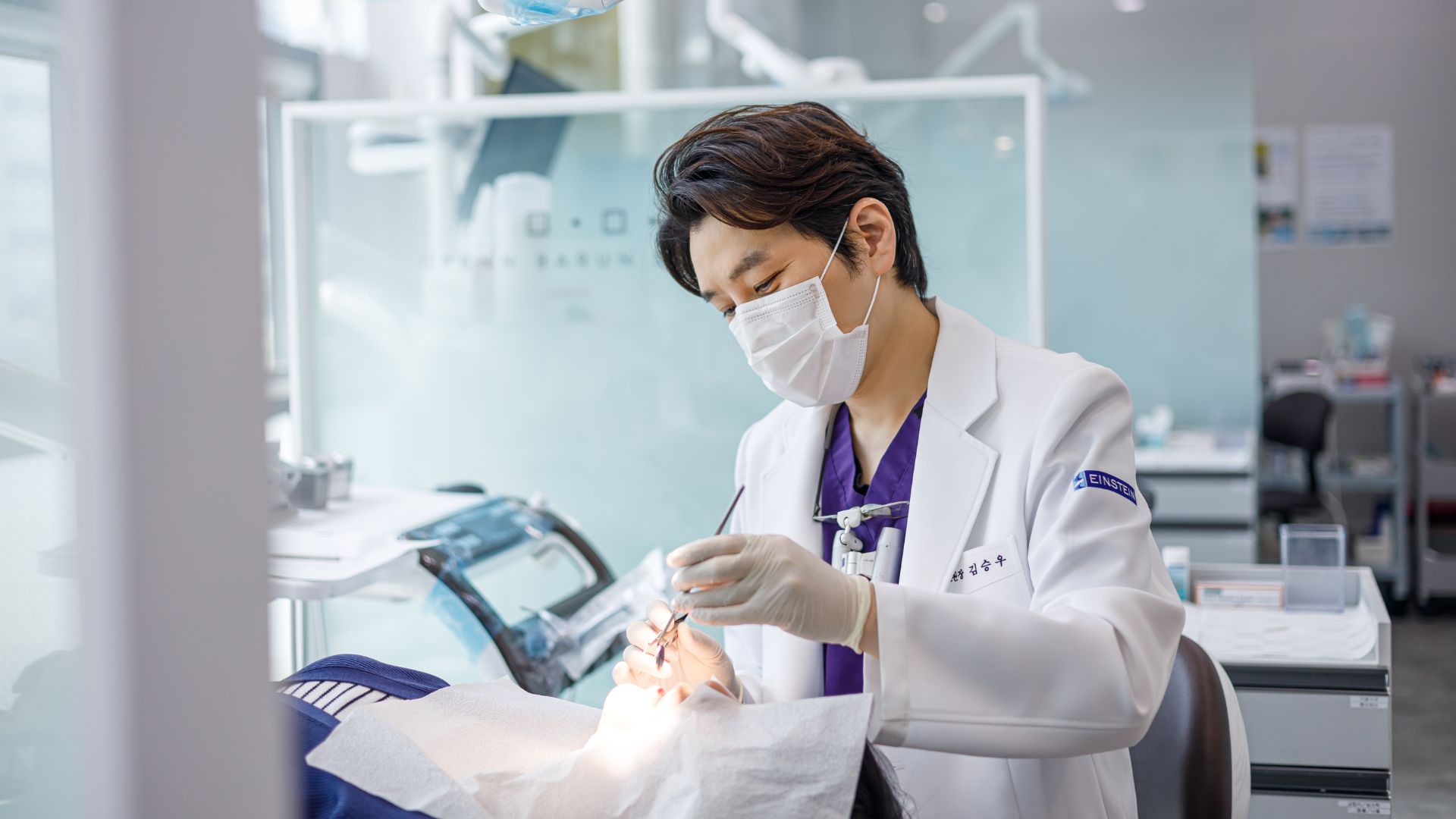
The first orthodontic check-up is recommended at age 7 because the six-year molars and front teeth have erupted, giving a specialist enough information to assess jaw relationships and tooth eruption patterns.
- A first evaluation does not always lead to immediate treatment — monitoring is often the only outcome needed.
- Early detection can reduce total treatment time and cost in the teenage years.
- Even children who appear to have straight teeth can have hidden bite or jaw issues.
2. Crowding and Spacing Problems
When a child’s jaw is too small for incoming permanent teeth, crowding develops — and it is far easier to guide jaw expansion during growth than to extract teeth in adolescence. Conversely, large gaps between teeth can signal missing permanent teeth or an abnormally wide jaw, both of which require specialist assessment. Identifying these patterns early opens treatment options that simply are not available once growth is complete.
3. Bite Irregularities That Warrant Early Attention
Crossbites, underbites, and deep overbites are among the most important bite problems to detect early because they affect jaw development and facial symmetry if left uncorrected.
- A crossbite — upper teeth sitting inside lower teeth — can permanently shift jaw position if treatment is delayed.
- An underbite, where the lower jaw protrudes, responds well to growth modification before the adolescent growth spurt ends.
- A deep overbite, where upper front teeth heavily cover the lower, can accelerate enamel wear and affect speech clarity.
4. Oral Habits That Reshape Developing Teeth
Prolonged thumb-sucking, pacifier use past age 3, or chronic mouth breathing can reshape the developing palate and push teeth out of alignment well before any permanent teeth arrive.
- Thumb-sucking after permanent teeth emerge can narrow the upper arch and cause front teeth to flare outward.
- Mouth breathing is often linked to enlarged adenoids or allergies and may require coordinated medical and dental care.
- Habit appliances, used during growth, can reverse alignment damage before it becomes a structural problem.
An orthodontist can identify habit-related changes that may not yet be obvious to a parent or general dentist.
5. Jaw Development and Growth Asymmetry
Uneven jaw growth can appear as facial asymmetry, difficulty chewing on one side, or a jaw that visibly shifts when biting down. Growth modification appliances — effective only while a child is still in an active growth phase — can correct these patterns without the surgery that is often required if treatment is deferred to adulthood. For expat families in Seoul on shorter international assignments, identifying these concerns early protects against the risk of returning home to a more complex treatment situation.
6. What to Expect at an Early Orthodontic Consultation
A first evaluation at UPenn Barun Dental Clinic includes a clinical examination, X-rays, and a plain-language conversation in English about what is developing normally and what may need monitoring or treatment.
- No treatment commitment is required at the first visit — many children simply enter a periodic monitoring program.
- Digital imaging gives parents a clear visual explanation of current findings and expected development.
- The clinic’s ABO board-certified director explains every finding in English, making this an ideal first step for expat families in Jamsil, Songpa-gu.
Conclusion
Catching orthodontic issues early gives children a significant developmental advantage — and it spares families from longer, more complex treatment later. If you have noticed any of the signs above, or if your child is approaching age 7, UPenn Barun Dental Clinic in Jamsil, Seoul, welcomes you for a comprehensive English-language evaluation with our U.S.-trained, ABO board-certified orthodontic specialist. Book a consultation and give your child’s smile the best possible start.
Frequently Asked Questions
At what age should my child have a first orthodontic evaluation?
Most orthodontic guidelines recommend a first evaluation at age 7. By this point, enough permanent teeth have erupted to allow a specialist to assess jaw growth and bite development. An evaluation does not mean treatment will start immediately — monitoring is the most common outcome at this stage.
How do I know if my child needs early orthodontic treatment or can wait?
Key signs that suggest early evaluation include visible crowding, an underbite, a crossbite, thumb-sucking past age 4, chronic mouth breathing, or difficulty chewing. If none of these are present, a routine check at age 7 is still worthwhile to confirm that development is on track and nothing is being missed.
Will my child need two separate rounds of braces if early treatment starts?
Phase 1 treatment addresses specific growth or bite problems during childhood; a second phase of braces or Invisalign in early adolescence may still follow, but it is typically shorter and simpler. The overall result is usually better than waiting, and your orthodontist will outline the likely pathway at the initial consultation.
Can I get my child’s orthodontic evaluation done in English in Seoul?
Yes. UPenn Barun Dental Clinic in Jamsil, Songpa-gu, is led by a native English-speaking director trained at the University of Pennsylvania and board-certified by the American Board of Orthodontics. Consultations, records, and all treatment communication are conducted entirely in English — no interpreter is required.
upennbarundental / US ORTHODONTIST