

upenn barun dental
Dental Implant Pain Explained: Anesthesia, Sedation, and Recovery for Foreign Patients in Seoul
August 26, 2026|Implant|By UPenn Barun Dental Clinic
Dental implant placement itself is not painful, because local anesthesia fully numbs the area before any drilling begins; most patients feel only pressure and vibration during surgery, and the mild-to-moderate soreness that follows over the next few days is easily managed with standard medication. Foreign patients researching treatment in Korea often ask the same question before booking a consultation: how much will this actually hurt? The honest answer is that implant surgery is far more tolerable than most people expect, and understanding the anesthesia options and recovery timeline in advance removes most of the anxiety around it. This guide breaks down exactly what to feel for at each stage.
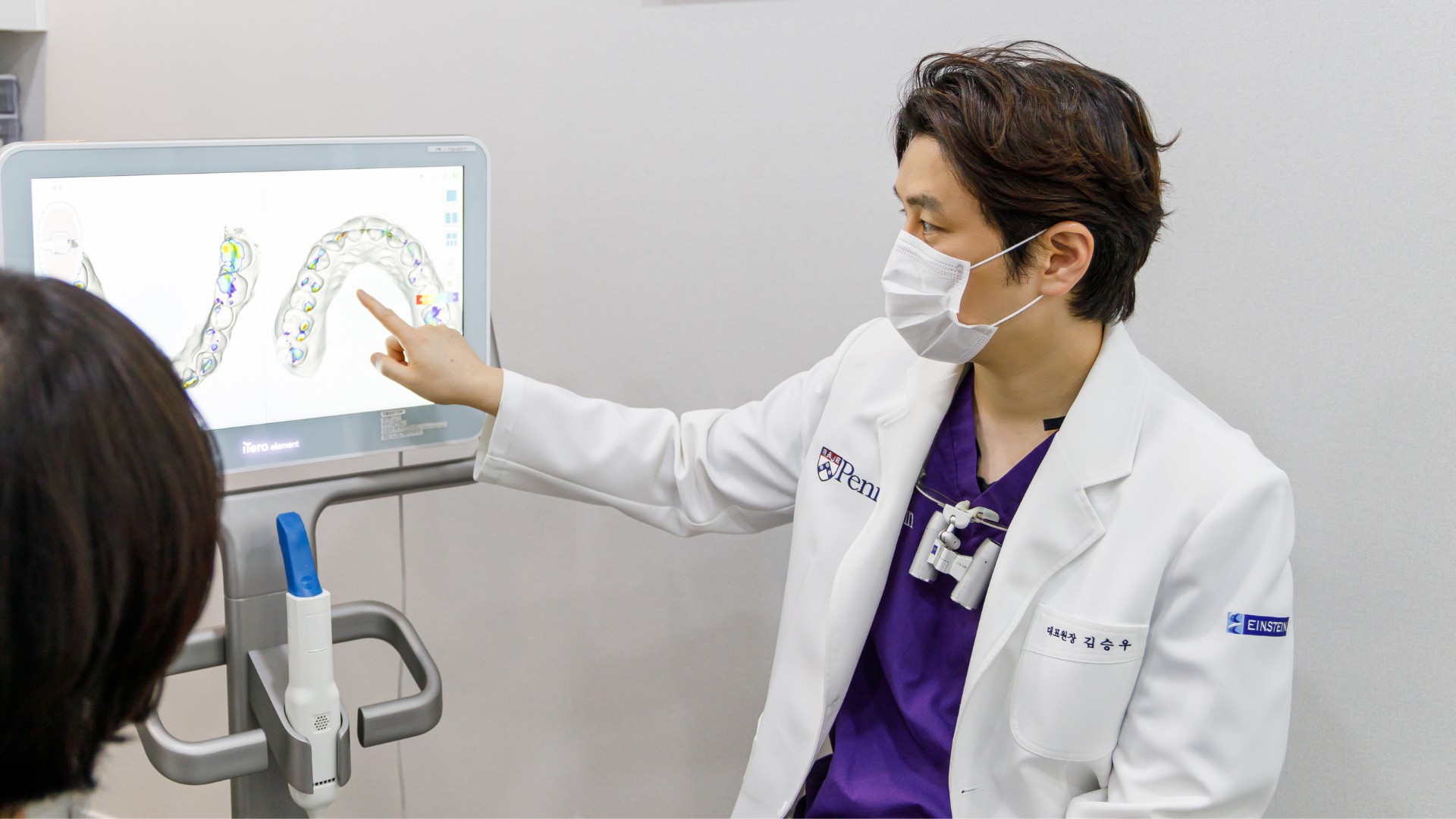
1. Why Implant Placement Itself Isn’t Painful
Dental implant surgery is performed under local anesthesia that fully numbs the jaw, gum, and surrounding nerves before any incision is made. Patients remain awake and alert throughout but do not feel sharp pain — only pressure, vibration from the drill, and a mild tugging sensation as the implant is placed into the bone.
2. Anesthesia and Sedation Options at UPenn Barun
Every patient’s anxiety level and treatment complexity is different, so anesthesia is tailored rather than one-size-fits-all.
- Standard local anesthesia numbs the surgical site for single or multiple implant placement.
- Oral or IV sedation is available for anxious patients or longer, multi-implant procedures.
- The director walks through each step and confirms comfort directly in English, with nothing lost or softened by a translator.
3. What You’ll Actually Feel During Surgery
Most patients describe the sensation as pressure rather than pain, similar to a routine tooth extraction. You may hear the drill and feel vibration transmitted through the jawbone, but the nerve signals that register as pain are blocked by the anesthesia for the entire procedure.
4. Recovery Timeline: Day by Day
Discomfort after implant surgery follows a predictable pattern that peaks early and fades quickly for the large majority of patients.
- Day 1: Numbness wears off within a few hours; mild to moderate soreness and swelling begin and are controlled with prescribed medication.
- Days 2-3: Swelling and discomfort typically peak, then start improving; soft foods and cold compresses help.
- Days 4-7: Pain drops sharply, and most patients return to normal eating and speaking with only minor tenderness at the site.
5. Managing Discomfort After the Anesthesia Wears Off
Post-operative pain is generally mild to moderate and responds well to standard prescribed pain relievers rather than strong narcotics. Ice packs during the first 24 hours, sleeping with the head slightly elevated, and sticking to soft, cool foods for the first few days meaningfully reduce swelling and soreness. Most international patients report the discomfort is noticeably less than they had anticipated before treatment.
6. When Pain Signals a Problem, Not Normal Healing
Mild soreness that steadily improves day by day is expected; pain that worsens after day three, or comes with fever, pus, or a persistent bad taste, is not.
- Escalating pain past the third or fourth day can indicate infection and should be checked promptly.
- Numbness that lingers beyond the expected timeframe warrants a follow-up call to your surgeon.
- An English-speaking clinical team makes it far easier to describe symptoms precisely and get quick guidance instead of guessing through a language barrier.
7. Why Clear English Communication Matters for Pain Management
Accurately describing pain — its location, intensity, and timing — is what allows a surgeon to judge whether healing is on track or something needs attention. At UPenn Barun, the director is a native English speaker trained at the University of Pennsylvania and board-certified by the American Board of Orthodontics, so foreign patients can describe symptoms precisely and receive direct answers, with no interpreter narrowing the conversation.
Conclusion
Implant surgery is designed to be pain-free during the procedure and manageably sore afterward, not a fearful ordeal to postpone. If you’re weighing dental implants while living in or visiting Seoul, book an English-language consultation at UPenn Barun Dental Clinic in Jamsil to get a clear, personalized picture of your anesthesia options and expected recovery before you commit to treatment.
Frequently Asked Questions
Does the anesthesia injection itself hurt?
The area is numbed with topical gel before the injection, so most patients feel only light pressure, not a sharp sting. Once the local anesthesia takes effect within a few minutes, the entire surgical site is fully numb for the procedure.
Which day is usually the worst for pain after implant surgery?
Swelling and soreness typically peak around day two or three, after the initial numbness has worn off and inflammation builds. By day four or five, most patients notice a clear improvement and rely on medication far less.
Can I still fly home a few days after getting a dental implant?
Many international patients do travel within a week, but swelling and mild discomfort are still present at that point. We recommend planning your return flight around your specific procedure’s healing timeline, which we’ll review with you during consultation.
I’m very anxious about pain — can I request sedation?
Yes. Beyond standard local anesthesia, oral or IV sedation is available for patients with dental anxiety or those undergoing longer, multi-implant procedures, and this is discussed and arranged directly with you in English before treatment.
upennbarundental / US ORTHODONTIST