

upenn barun dental
Cavity Filling Cost in Korea for Foreign Patients: Materials and Insurance Explained
September 12, 2026|Seoul Dentist|By UPenn Barun Dental Clinic
A routine cavity filling in Korea typically costs between 50,000 and 150,000 KRW (roughly USD 40–110) per tooth, depending on the material used and whether National Health Insurance applies. Foreign patients can access the same insurance benefits as Korean nationals if they are enrolled in the National Health Insurance Service (NHIS). Cost is one of the first questions foreign patients ask before booking dental treatment in Korea, and cavity fillings are no exception. Prices vary based on the filling material, the size and location of the cavity, and your insurance status, so it helps to understand the full picture before your appointment.
1. Typical Cost Range for a Cavity Filling
Filling prices in Korea are generally lower than in the U.S., U.K., or Australia, even at private clinics that cater to international patients.
- Amalgam or glass ionomer fillings: roughly 30,000–70,000 KRW (about USD 22–52) per tooth.
- Composite (tooth-colored) resin fillings: roughly 70,000–150,000 KRW (about USD 52–110) per tooth.
- Larger cavities requiring more material or a deeper restoration may cost somewhat more than a small, single-surface filling.
2. Filling Material Options: Composite, Amalgam, and Glass Ionomer
Korean dental clinics commonly offer three filling materials, each with different durability, appearance, and cost.
- Composite resin: tooth-colored, bonds well to enamel, and is the most requested option among foreign patients for front and visible teeth.
- Amalgam: a durable, cost-effective silver-colored material still used for some back-tooth cavities.
- Glass ionomer: releases fluoride and is often used for smaller cavities or pediatric patients.
3. National Health Insurance Coverage for Foreign Patients
Foreign residents enrolled in Korea’s National Health Insurance Service, including those on E-series and F-series visas or long-term residency, are entitled to the same coverage as Korean citizens for many basic dental procedures. Amalgam and glass ionomer fillings are generally covered at the standard co-payment rate, while composite resin fillings on molars have partial coverage depending on the tooth and clinical situation. Patients without NHIS enrollment, including short-term visitors and medical tourists, pay the non-covered rate, which is still competitive compared to many home countries.
Bring your Alien Registration Card (ARC) or insurance card to your visit so the clinic can verify your coverage status before treatment.
4. Factors That Affect the Final Price
A few variables determine where your filling cost falls within the typical range.
- The number of tooth surfaces affected by decay — a small pinpoint cavity costs less than one spanning multiple surfaces.
- Whether the tooth needs additional preparation, such as removing old fillings or treating sensitivity first.
- Your insurance enrollment status and the specific material chosen for the restoration.
5. What Happens During Your Filling Appointment
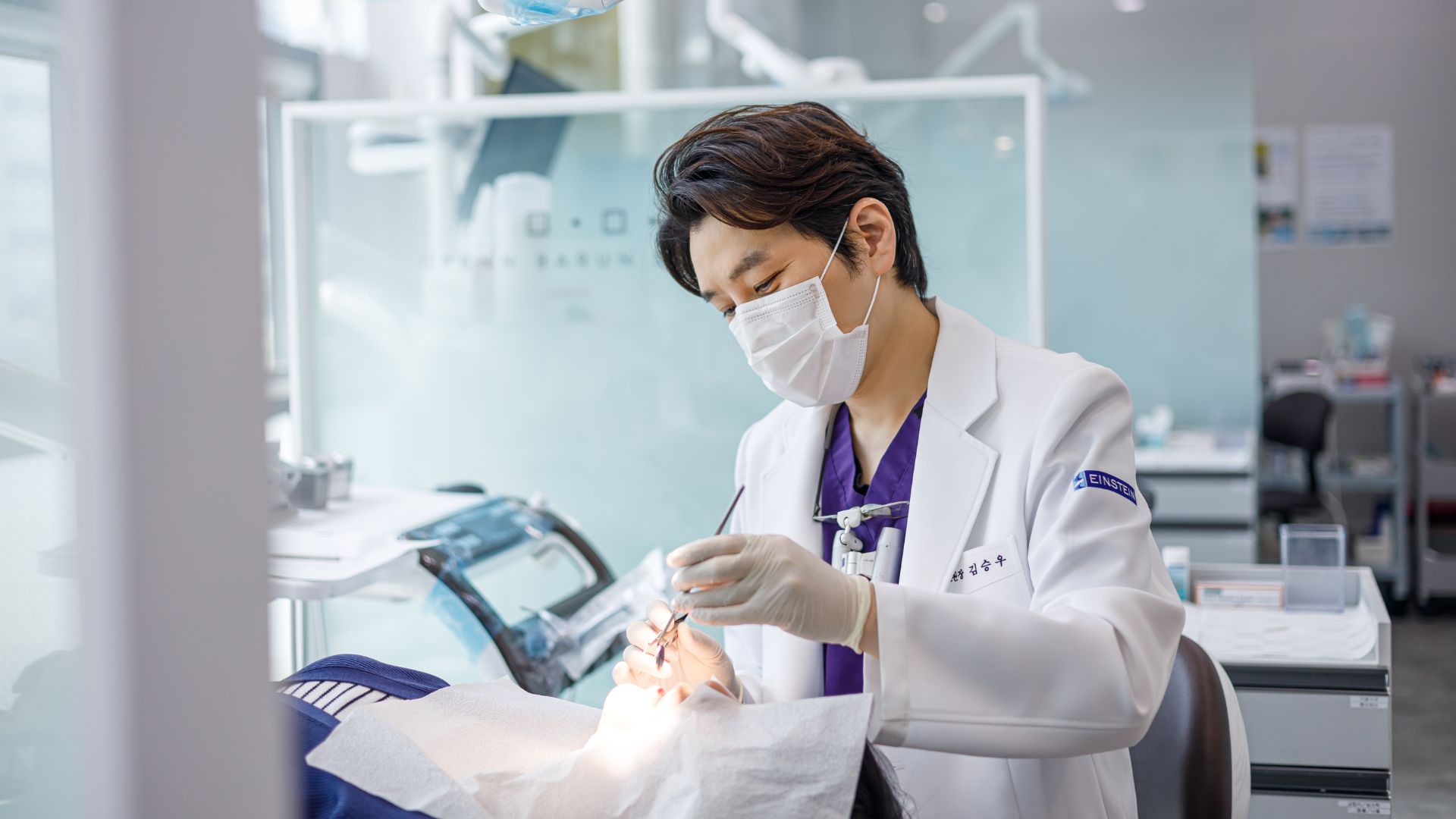
A standard cavity filling is a single-visit procedure that typically takes 20 to 40 minutes per tooth. After local anesthesia, the dentist removes the decayed portion of the tooth, shapes the cavity, and bonds or packs the filling material before polishing it to match your natural bite. Most patients can eat normally within a few hours, and no follow-up visit is needed unless the cavity was unusually deep.
6. Why International Patients Choose UPenn Barun for Fillings
Foreign patients often worry about miscommunication during routine procedures, especially when discussing cost and insurance eligibility.
- The clinic director is a native English speaker, so cost, material choice, and treatment steps are explained directly without an interpreter.
- Transparent, itemized pricing is confirmed before treatment begins, so there are no surprises at checkout.
- Located steps from Jamsilsaenae Station (Exit 5) in Songpa-gu, making it easy to fit a filling into a short trip to Seoul.
Conclusion
A cavity filling is one of the most straightforward and affordable procedures you can complete during a visit to Korea, provided you understand the material options and your insurance status in advance. If you have a suspected cavity or want a checkup while you’re in Seoul, UPenn Barun Dental Clinic in Jamsil offers clear English communication and upfront pricing from the first consultation — reach out to schedule a visit.
Frequently Asked Questions
Can tourists get a cavity filling in Korea without health insurance?
Yes. Tourists and short-term visitors can receive fillings at the non-covered rate, which is still typically lower than private-pay prices in the U.S. or U.K. Most clinics, including UPenn Barun, provide a cost estimate before treatment so there are no surprises.
How long does a filling last?
Composite fillings typically last 5–10 years with good oral hygiene, while amalgam fillings can last longer, often 10–15 years. Lifespan depends on the size of the filling, your bite, and how well you maintain regular checkups.
Will my filling match the color of my natural teeth?
Composite resin fillings are shade-matched to your surrounding teeth and are the standard choice for visible areas, such as front teeth or premolars. Amalgam and some glass ionomer fillings are silver or off-white and are typically reserved for back teeth.
Do I need multiple visits to complete a filling?
No. A routine cavity filling is completed in a single visit lasting 20–40 minutes per tooth. Only unusually deep cavities close to the nerve may require a follow-up evaluation.
upennbarundental / US ORTHODONTIST