upenn barun dental
Are Braces in Korea as Good as in the US? An Honest Guide for International Patients in Seoul
November 7, 2026|Braces|By UPenn Barun Dental Clinic
Braces in Korea can be fully equal to those in the US, because quality depends on the orthodontist’s training, diagnosis, and follow-up rather than the country. The real question is how to verify the clinician, and that is something you can do before you commit. Many expats in Seoul hesitate to start braces here, worried about language barriers, unfamiliar standards, or finishing treatment after returning home. Korea has advanced dental technology and a strong clinical culture, but training and specialization vary between clinics, as they do in the US. This guide explains what to compare and how to check.
1. Treatment Standards in Korea and the US
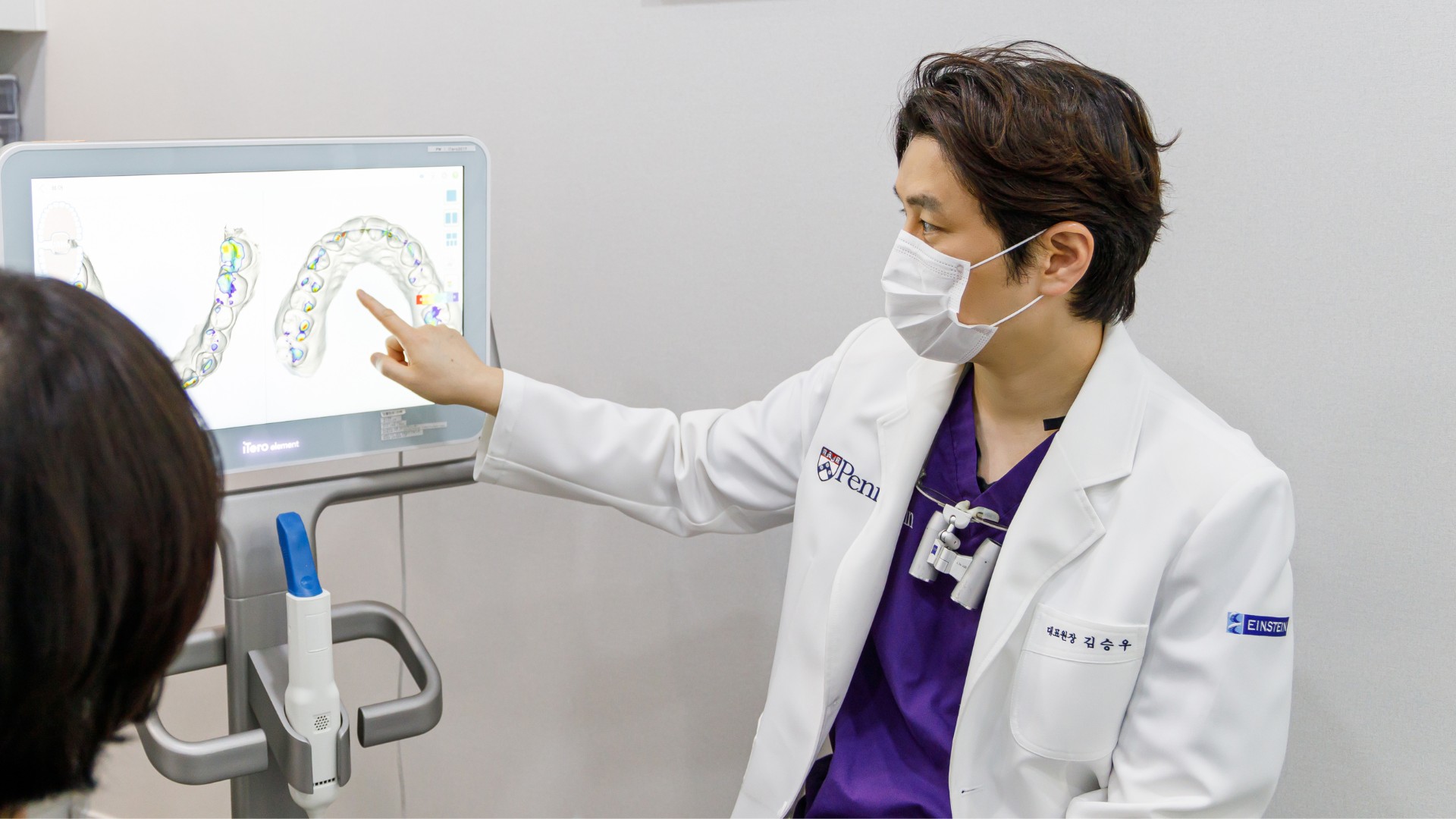
Korea and the US both use evidence-based orthodontic methods, including modern brackets, digital scanning, and 3D treatment planning. Equipment and materials are widely comparable between well-run clinics in Seoul and those in the US. What differs more is the individual practitioner’s depth of training and the time spent on planning.
- Digital scans, cephalometric analysis, and 3D planning are common in good Seoul clinics.
- Brackets, wires, and Invisalign aligners are often the same global brands used in the US.
- Outcomes depend on diagnosis and adjustment skill, not on the country’s name.
2. Specialist Training Matters More Than Location
In the US, orthodontics is a recognized specialty that requires a dedicated residency after dental school. In Korea, orthodontic specialists also complete formal specialty training, but not every clinic offering braces is run by a specialist. Asking about the clinician’s exact training is the most useful quality check you can make.
3. How to Verify an Orthodontist’s Credentials
You do not have to take a clinic’s marketing at face value. A few simple checks will tell you whether your orthodontist meets the standard you would expect at home.
- Ask whether the doctor is a certified orthodontic specialist and where they trained.
- Look for board certification, such as the American Board of Orthodontics (ABO), which is verifiable on the ABO’s public directory.
- Ask who will personally perform your adjustments, not just your initial consultation.
A confident clinic will answer these questions openly and in writing.
4. Clear Communication and Informed Consent
Good orthodontics requires that you fully understand the diagnosis, alternatives, timeline, and risks. When explanations pass through an interpreter or are simplified, important details can be lost. Clinics where the doctor speaks English natively let you ask detailed questions and give truly informed consent, which is a quality factor in itself.
5. Costs, Insurance, and Short Stays
Braces in Korea are generally not covered by national health insurance, but fees are often lower than comparable US treatment. Ask for a written estimate that covers retainers, adjustments, and any refinements.
- Confirm what the quoted fee includes, such as retainers and follow-up visits.
- Check whether you may need an international plan or reimbursement paperwork from your home insurer.
- Be realistic about your length of stay, since braces typically require regular visits over many months.
6. Continuity of Care If You Relocate
Expats move often, so ask how a transfer would work. A well-documented case, with scans, photos, and a clear treatment plan in English, makes it much easier for another orthodontist to continue your care. Detailed English records are a practical sign of a clinic that expects international patients.
Conclusion
Braces in Korea can match US standards when you choose a properly trained, verifiable specialist who communicates clearly. At UPenn Barun Dental Clinic in Jamsil, our director is a native English speaker who trained at the University of Pennsylvania and is board-certified by the American Board of Orthodontics (ABO), so you can ask every question directly. If you would like an honest second opinion, we welcome you to book a consultation.
Frequently Asked Questions
Are braces in Korea as good as in the US?
They can be, provided your orthodontist is properly trained and certified. Equipment and materials are comparable, so quality depends on the clinician’s specialty training, diagnosis, and follow-up. Verify credentials and ask how your case will be planned before committing to treatment.
How can I check if a Korean orthodontist is qualified?
Ask whether they are a certified orthodontic specialist and where they trained. Board certification, such as the American Board of Orthodontics, can be confirmed in the ABO’s public directory. You can also ask which doctor personally performs your adjustments and request the answers in writing.
Is orthodontic treatment cheaper in Korea than in the US?
Fees are often lower than in the US, but they vary by clinic and case complexity. Braces are generally not covered by national health insurance. Request a written estimate that states whether retainers, adjustments, and refinements are included so you can compare accurately.
Can I finish braces if I leave Korea mid-treatment?
Often yes, with planning. Choose a clinic that keeps detailed English records, scans, and photos so another orthodontist can continue your care. Discuss your expected length of stay at the first consultation so the treatment plan and visit schedule are realistic.
upennbarundental / US ORTHODONTIST