

upenn barun dental
Am I Too Old for Braces in Korea—What Adults in Their 40s and 50s Should Know
October 28, 2026|Orthodontic|By UPenn Barun Dental Clinic
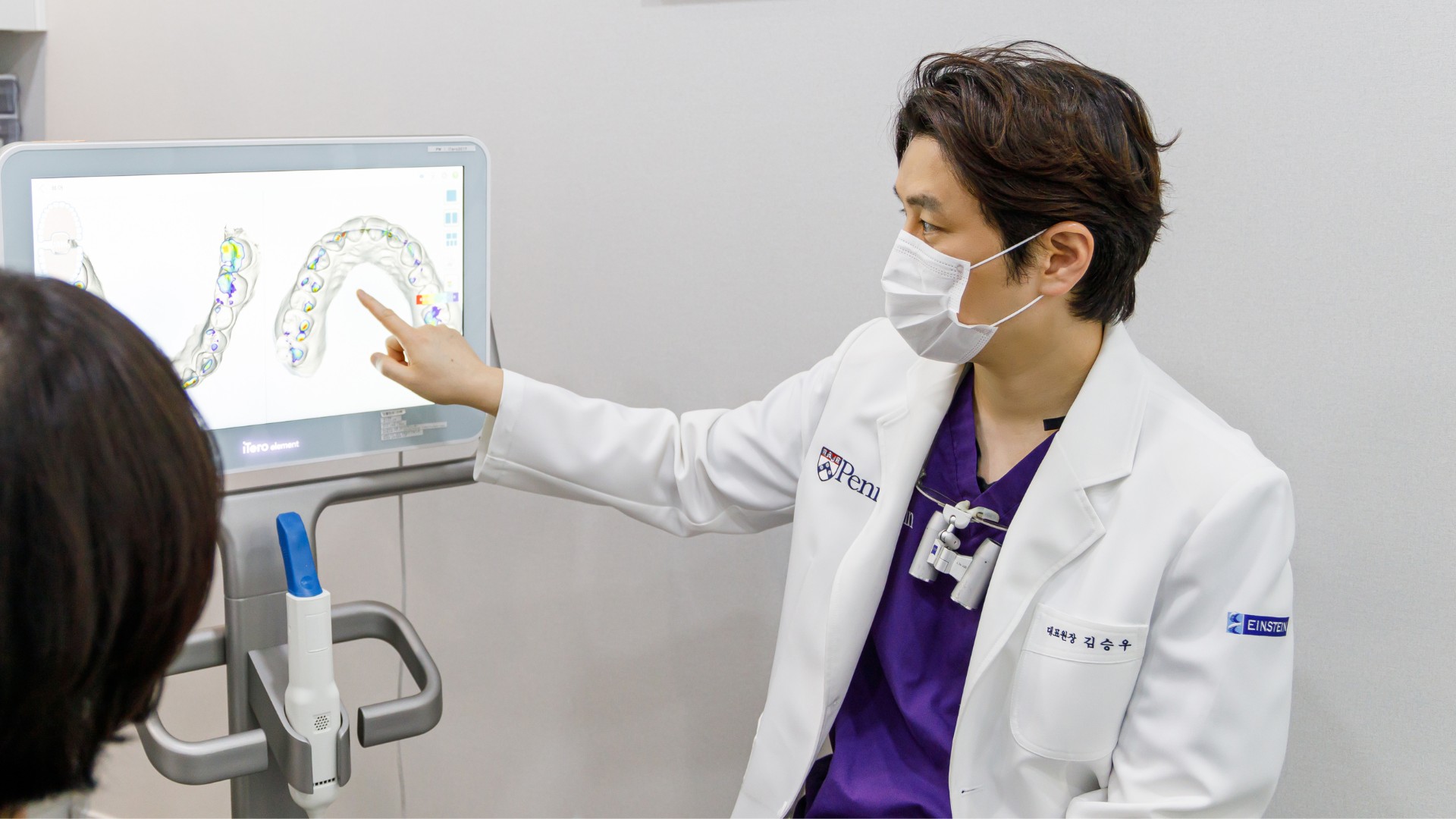
If you are asking whether you are too old for braces in Korea, the answer is usually no: teeth can be moved safely at almost any age, provided your gums and supporting bone are healthy. What changes in your 40s and 50s is the planning, not your eligibility. Many international patients in Seoul assume orthodontics belongs to teenagers and put off treatment for years. In practice, adults make up a growing share of orthodontic patients worldwide. A careful evaluation of your gums, bone, and existing dental work decides what is achievable, and it is best done by a specialist who can explain every finding in English.
1. Age Is Not the Real Limit
Teeth respond to orthodontic forces because of the bone and ligament around them, and this biology continues throughout adult life. Movement can be somewhat slower than in a teenager, and adult bone remodels differently, so treatment is paced with more care. What matters most is the health of your periodontal tissues, not the number on your passport.
2. Gum Health Comes First
Healthy gums and stable bone are the foundation of any adult orthodontic plan. Moving teeth in the presence of active gum disease can worsen bone loss, so this is assessed before anything else.
- Your gums are examined and bone levels are reviewed on X-rays before treatment is recommended.
- Active gum inflammation is treated and stabilized first, which sometimes means a short delay before starting.
- Regular cleanings and careful home care continue throughout treatment to protect your gums.
Straighter teeth are also easier to clean, which can support long-term gum health.
3. Crowns, Bridges, and Implants in the Plan
Adults in their 40s and 50s often have years of dental work, and each restoration affects the plan in a different way.
- Dental implants do not move, so they act as fixed points that can limit what is possible around them.
- Crowns and bridges may need to be replaced or adjusted once teeth reach their new positions.
- Teeth with root canal treatment can often still be moved when they are stable and free of infection.
4. Realistic Goals for an Adult Smile
A good adult treatment plan focuses on what is healthy, functional, and achievable rather than a perfect textbook result. Crowding, spacing, and bite problems can often be improved significantly, while some limits remain depending on gum support and existing restorations. A clear discussion of these trade-offs before you begin helps you decide with confidence, and a specialist should tell you honestly when a compromise is the better option.
5. Choosing Between Aligners and Braces
Both clear aligners and braces can work well for adults, and the better choice depends on your case rather than your age.
- Clear aligners are discreet and removable, which suits many professionals who attend meetings and client dinners.
- Ceramic or metal braces give precise control in more complex movements and do not rely on daily wear discipline.
- Your specialist can combine approaches or refine the result with additional steps if needed.
6. Planning Treatment Around Life in Korea
Expats often worry about relocation, travel, and contract timelines while committing to treatment lasting many months. At UPenn Barun Dental Clinic in Jamsil, the director is a native English speaker trained at the University of Pennsylvania and board-certified by the American Board of Orthodontics (ABO), so your consultation, plan, and records are all in English. Discussing your expected length of stay at the first visit lets the plan be built around your timeline and any follow-up arrangements.
Conclusion
Being in your 40s or 50s does not close the door on a healthier, straighter smile; it simply calls for a more careful, individualized plan. If you are living in or visiting Seoul and want an honest English-language assessment, we welcome you to book a consultation at UPenn Barun Dental Clinic in Jamsil.
Frequently Asked Questions
Is there an age limit for braces or Invisalign in Korea?
There is no fixed upper age limit. What matters is whether your gums, bone, and teeth are healthy enough to be moved safely. Adults in their 40s, 50s, and beyond can be treated after an evaluation, including X-rays and a gum assessment, to confirm that orthodontic treatment is appropriate for you.
Can I get braces if I have gum disease?
Active gum disease must be treated and stabilized before teeth are moved, because orthodontic forces on inflamed, weakened tissue can cause further damage. Once your gums are healthy and monitored, treatment can often proceed. Your specialist will explain the sequence and any timing adjustments in English.
Will my crowns, bridges, or implants prevent treatment?
Not necessarily, but they influence the plan. Implants stay fixed and can limit certain movements, while crowns and bridges may need replacement after teeth are repositioned. Your specialist reviews your dental history and X-rays to explain what is realistic and which restorations might be affected before you begin.
Can I be treated at an English-speaking clinic in Seoul during a limited stay?
Possibly, depending on your case and how long you will be in Korea. At UPenn Barun Dental Clinic in Jamsil, consultations and records are in English, so you can discuss your timeline openly. A first visit helps determine whether treatment fits your stay or needs a follow-up arrangement.
upennbarundental / US ORTHODONTIST