

upenn barun dental
Why Foreign Patients Can Feel Confident Getting Dental Implants in Korea: Safety, Follow-Up, and Complication Care
October 11, 2026|Implant|By UPenn Barun Dental Clinic
Is it safe to get dental implants in Korea? Yes, when the treatment is planned and performed by a qualified specialist, with clear records and a defined follow-up plan. Safety depends far more on the clinician, the planning, and the aftercare than on the country. Many expats and visitors worry about language barriers, hidden costs, and what happens if a problem appears after they leave Seoul. These are reasonable concerns, and each one can be addressed before treatment begins. Here is what to look for, and how we approach it at UPenn Barun Dental Clinic in Jamsil.
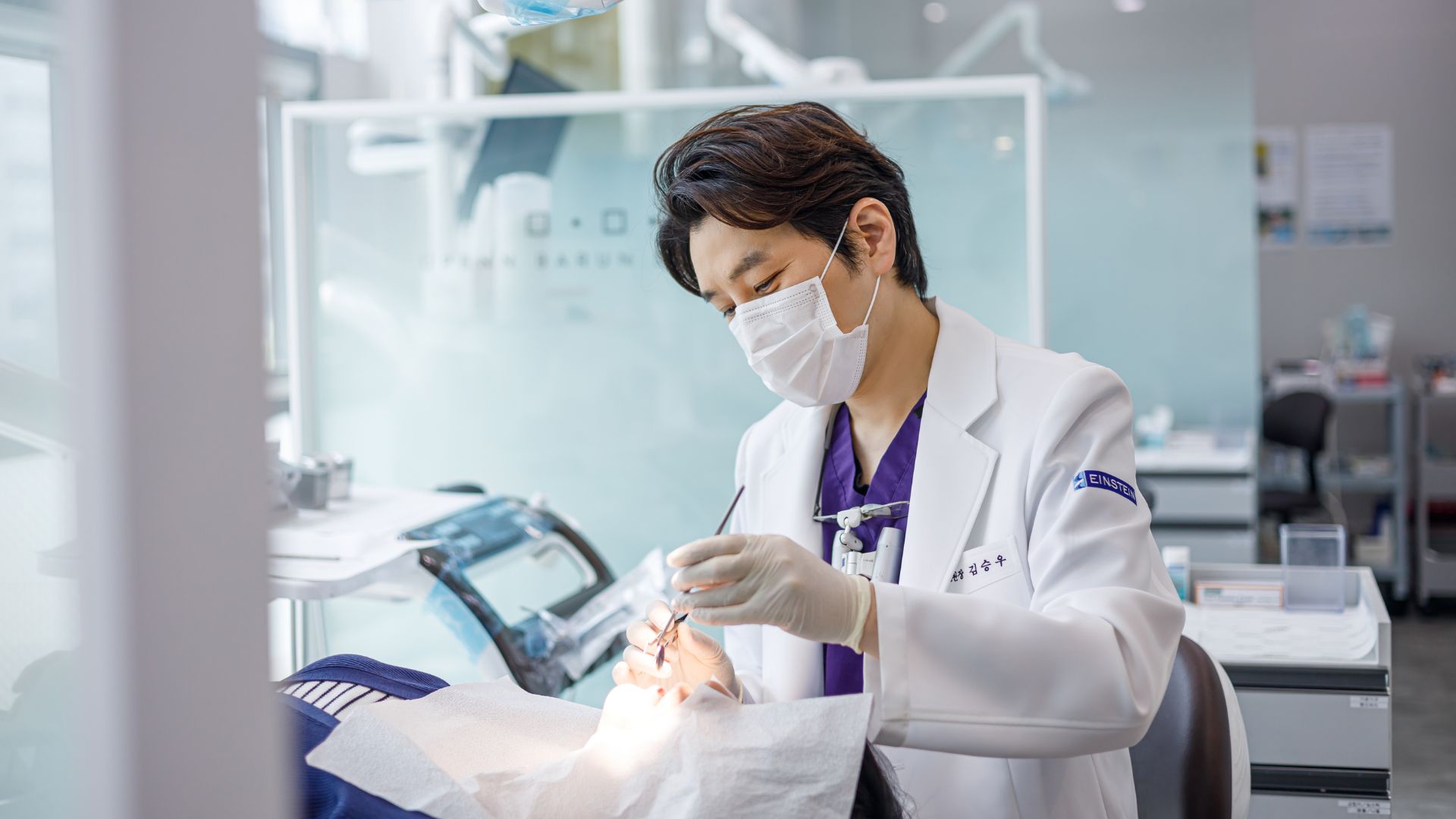
1. Clinician Qualifications & Training
Implant outcomes depend heavily on the planning and judgment of the treating dentist. Ask exactly who will perform your treatment and what formal training they hold. At UPenn Barun, the director trained at the University of Pennsylvania and is board-certified by the American Board of Orthodontics (ABO), the same credential standard as top U.S. practices.
2. Thorough Diagnosis Before Any Surgery
A safe implant starts with a careful assessment, not with the drill.
- A 3D scan and clinical exam check bone volume, sinus position, and nearby nerves.
- Gum health, bite, and medical history are reviewed before a plan is proposed.
- If bone is insufficient, you should hear about grafting or alternatives up front.
A clinic that recommends implants without proper imaging is a warning sign anywhere in the world.
3. Clear Communication in English
Safe care requires that you truly understand the risks, the steps, and the alternatives. Our director is a native English speaker, so consultations, explanations, and consent discussions happen directly in English without an interpreter. You also receive your treatment records in English, which matters if another dentist ever needs to review your case.
4. Realistic Follow-Up for Short Stays
Implants are usually staged, with healing time between steps, so timing matters if you are only in Korea briefly. Ask for a written schedule before you commit.
- Confirm which steps can be completed during your stay and which can wait.
- Plan your visit dates around suture removal and early healing checks.
- Ask whether the final restoration can be coordinated with a later trip or a trusted dentist at home.
5. Understanding Possible Complications
Every surgical procedure carries some risk, and honest clinics say so. Possible issues include infection, delayed healing, implant loosening, and gum inflammation around the implant, and most are manageable when caught early. Good home hygiene and attending scheduled checkups lower these risks, and you should know the warning signs before you leave the chair.
6. If Something Goes Wrong After You Leave
Contact the treating clinic first with photos and a description of your symptoms, since the team that placed the implant knows your case best. Mild issues can often be guided remotely, while pain, swelling, fever, or a loose implant should be examined in person promptly. Because your records are in English, a dentist in your home country can understand your treatment, which helps if you need care sooner than you can return.
7. Transparent Costs & Written Plans
Safety and fair pricing go together. Request a written treatment plan listing each step, the implant components, and what is and is not included, so there are no surprises after your procedure. Keeping your implant details in your own files also makes future maintenance simpler, wherever you live.
Conclusion
Getting dental implants in Korea can be a safe, well-organized experience when you choose a qualified specialist, insist on clear English communication, and plan your follow-up before treatment begins. If you are considering implants during your time in Seoul, we welcome you to visit UPenn Barun Dental Clinic in Jamsil (Jamsilsaenae Stn. Exit 5) for a consultation and a written plan.
Frequently Asked Questions
Is it safe to get dental implants in Korea as a foreigner?
It can be, provided your dentist is properly qualified, your case is assessed with 3D imaging, and you receive a clear written plan. Your nationality does not affect safety. The quality of planning, the clinician’s training, and the follow-up arrangements do. Ask these questions at your first consultation.
What if I need follow-up care after I return home?
Contact the clinic first and share photos and symptoms so the team can advise. For urgent signs such as swelling, fever, or a loose implant, see a local dentist promptly. Having your records in English makes it much easier for them to understand what was done.
How long do I need to stay in Korea for implant treatment?
It depends on your case, since implants usually involve healing time between stages. Some steps fit into a short stay, while others need waiting periods. We can outline a realistic timeline in your consultation so you can plan your travel accordingly.
What complications should I watch for after implant surgery?
Watch for increasing pain after the first few days, persistent swelling, bleeding that will not stop, fever, bad taste, or a loose implant. Most problems are easier to treat when addressed early. Do not wait for your next scheduled visit if symptoms worsen.
upennbarundental / US ORTHODONTIST