

upenn barun dental
Getting Braces in Korea as a Tourist: Realistic Timelines and Adjustment Scheduling for Short-Term Visitors
September 29, 2026|Braces|By UPenn Barun Dental Clinic
Tourists can start orthodontic treatment in Korea, but braces and Invisalign both require 18 to 30 months of periodic adjustments, so a short vacation alone is rarely enough to finish. Realistic options are extending your stay, pairing treatment with a longer-term visa such as study or work, or starting care in Seoul and transferring records home. This is one of the most common questions from foreign patients researching dental care in Seoul. A tourist visa is enough for a consultation, records, and even starting treatment — the real challenge is matching visit scheduling to how orthodontics actually works, not the visa itself.
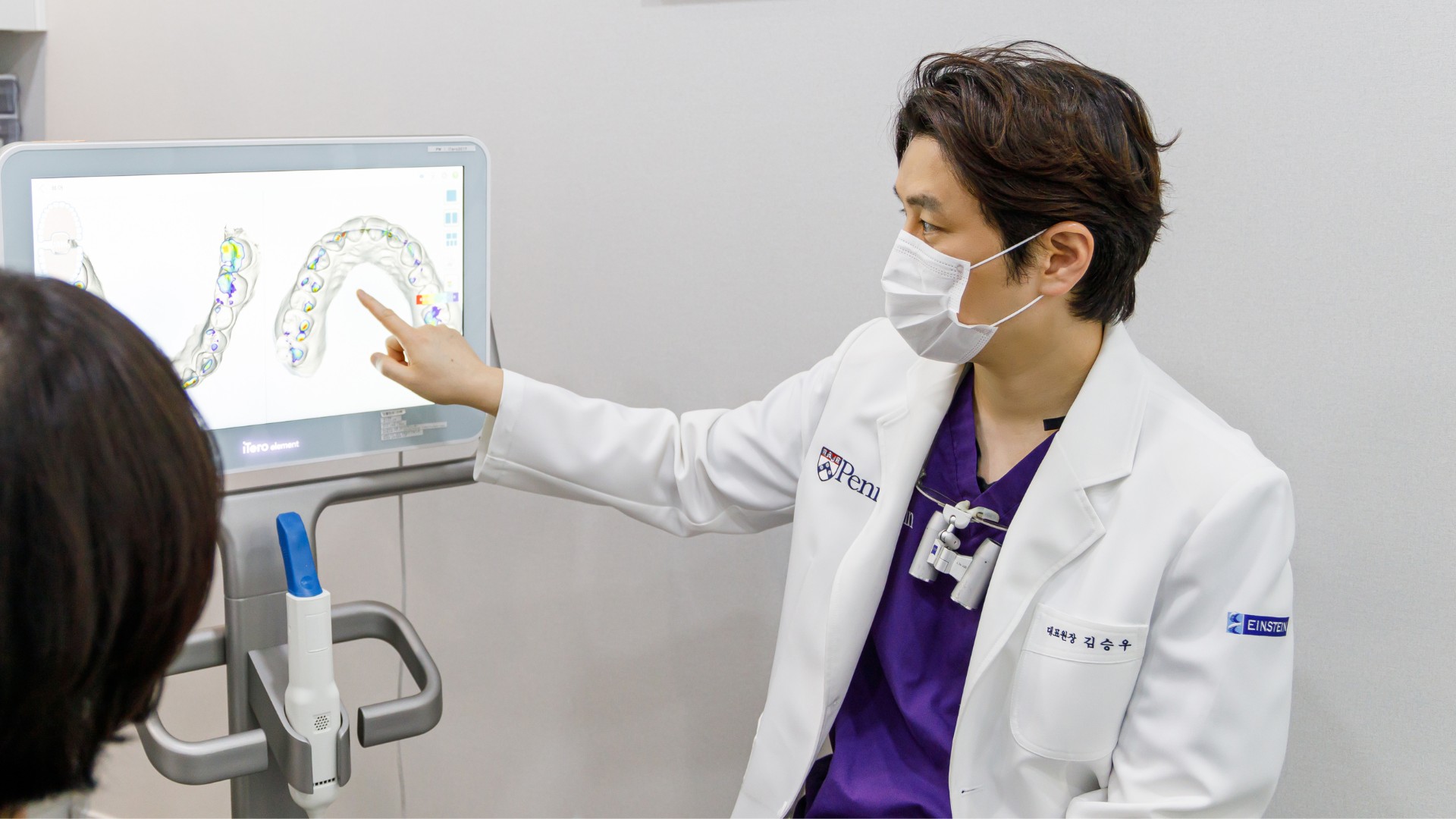
1. Why Treatment Length Matters More Than Visa Type
Braces and Invisalign require in-person adjustments roughly every 4 to 8 weeks over 18 to 30 months of total treatment. A standard 90-day tourist stay covers only a few of these visits, not a full course of care. This is a scheduling issue — Korea does not require a special medical visa for routine orthodontic treatment.
2. Who Short-Term Treatment Actually Suits
Full orthodontic treatment during a single short trip isn’t realistic, but several visitor profiles can make it work well.
- Patients on longer visas — students, teachers, or remote workers — who are already in Korea for a year or more.
- Business travelers who return to Seoul every few weeks or months and can align adjustment visits with each trip.
- Patients who start or continue treatment in Seoul, then transfer care to a home orthodontist using digital records.
3. Invisalign vs. Traditional Braces for Limited Stays
For visitors who can’t be in Seoul every month, Invisalign is generally more travel-friendly than fixed braces, since multiple aligner sets can be produced in advance and check-ins spaced 8 to 10 weeks apart instead of the 4 to 6 weeks typical with braces. Traditional braces remain better for certain bite corrections, so the right choice depends on the case, not travel convenience.
4. Scheduling Adjustment Visits Around Your Stay
Once a treatment plan is set, visits can be batched to match a travel calendar rather than a fixed monthly rhythm.
- The first visit covers full records, scans, and a written treatment and visit-frequency plan before any brackets or aligners are placed.
- Future appointments can be pre-booked around confirmed travel dates to avoid last-minute rescheduling.
- Aligner sets or wire adjustments can be planned in larger batches for patients who won’t return to Korea for several months.
5. Continuing Treatment After You Leave Korea
Patients who can’t complete treatment in Seoul aren’t left without options. Digital scans, X-rays, and a full treatment summary — written in English — can be handed off to a home orthodontist to continue care without starting over, as long as the transition is planned in advance.
Always request digital files rather than physical models, since they transfer instantly to a receiving clinic anywhere in the world.
6. Visa and Cost Considerations for Foreign Patients
Orthodontic treatment is elective, so Korea’s national health insurance doesn’t cover it for citizens or foreigners — cost isn’t affected by visa status. A standard tourist visa is sufficient for consultation and treatment start; no special medical visa is required unless your home country’s re-entry rules say otherwise.
7. Why International Patients Choose UPenn Barun for Staged Treatment
Coordinating a multi-visit treatment plan across time zones and travel schedules works best with a clinic used to treating international patients.
- The clinic director is a native English speaker, so treatment plans and scheduling are discussed without an interpreter.
- Board certification by the American Board of Orthodontics (ABO), trained at the University of Pennsylvania, means care follows the same standard used at top U.S. practices.
- Located at Jamsilsaenae Station Exit 5 in Songpa-gu, Seoul, making repeat visits easy to plan around a stay in the city.
Conclusion
Getting braces in Korea as a tourist is possible, but scheduling — not visa type — is what decides success. Patients who map adjustment visits to their actual travel plans, whether through a longer stay, repeat trips, or a planned handoff home, get the smoothest results. If you’re weighing your options, UPenn Barun Dental Clinic in Jamsil offers English-language consultations to help build a realistic plan from the start.
Frequently Asked Questions
Can I really start braces or Invisalign in Korea on a regular tourist visa?
Yes. A tourist visa is sufficient for a consultation, diagnostic records, and starting treatment. What limits a short trip isn’t the visa — it’s that orthodontic treatment requires adjustment visits every several weeks for 18 to 30 months, which a single tourist stay usually can’t cover.
How often do I need to visit the clinic once treatment starts?
Traditional braces typically need adjustments every 4 to 6 weeks, while Invisalign check-ins can often be spaced 8 to 10 weeks apart since multiple aligner sets are prepared in advance. Your exact schedule depends on your bite and treatment plan.
What happens if I have to finish treatment back in my home country?
Your orthodontist can provide full digital scans, X-rays, and an English treatment summary so a home orthodontist can continue care without restarting the process. Planning this handoff before you leave Korea makes the transition much smoother.
Does travel insurance or Korean national health insurance cover braces?
No. Orthodontic treatment is elective and isn’t covered by Korea’s national health insurance for citizens or foreigners, so cost is the same regardless of visa status. Most international patients budget for treatment as an out-of-pocket expense.
upennbarundental / US ORTHODONTIST