upenn barun dental
Dental Care Safety in Korea: Sterilization, Licensing, and Hygiene Standards for Foreign Patients
September 28, 2026|Seoul Dentist|By UPenn Barun Dental Clinic
Yes — dental care in Korea is safe for foreign patients, provided the clinic follows the country’s mandatory dentist licensing, autoclave sterilization protocols, and government hygiene inspections. Korea is one of the world’s most active medical tourism destinations, and its dental system operates under strict national licensing and sanitation regulations that hold up well against U.S. and European standards. Still, safety for an international patient depends less on the country overall and more on the specific clinic chosen — its licensing, sterilization practices, and how clearly it communicates with patients who don’t speak Korean.
1. National Licensing for Every Practicing Dentist
Every dentist in Korea must graduate from an accredited dental school and pass the National Dental Licensing Examination administered by the Korea Health Personnel Licensing Examination Institute before treating a single patient.
- Only graduates of accredited institutions are eligible to sit for the exam
- License status is publicly verifiable through the Ministry of Health and Welfare
- Continuing education is required to keep a license active
UPenn Barun’s director holds an additional layer of credentialing beyond Korean licensure: training at the University of Pennsylvania and board certification from the American Board of Orthodontics (ABO), the same standard used at top U.S. practices.
2. Sterilization and Infection Control Protocols
Licensed clinics in Korea are required to sterilize reusable instruments using autoclaves that reach medical-grade temperature and pressure standards, and to use single-use, sealed-packaging items for needles, suction tips, and surgical burs. These protocols mirror the infection-control frameworks familiar to patients from the U.S., Canada, Europe, and Australia, so the sterilization process itself is rarely the point of difference between clinics — consistency in following it is.
3. Facility Inspections and Hygiene Standards
Local health authorities conduct periodic inspections covering medical waste disposal, water line testing, and instrument handling.
- Medical waste is disposed of through separately regulated channels, not general trash
- Water lines and suction systems are tested on a routine schedule
- Instrument trays are tracked from sterilization through chairside use
4. Communication: An Overlooked Safety Factor
A clean autoclave means little if a patient can’t clearly explain a medication allergy or misunderstands post-surgical instructions. For international patients, language is one of the most underestimated safety variables in dental treatment abroad, which is why a genuinely English-fluent clinical team — not a translated pamphlet or an on-call interpreter — matters as much as the equipment in the room.
5. Transparent Treatment Planning and Informed Consent
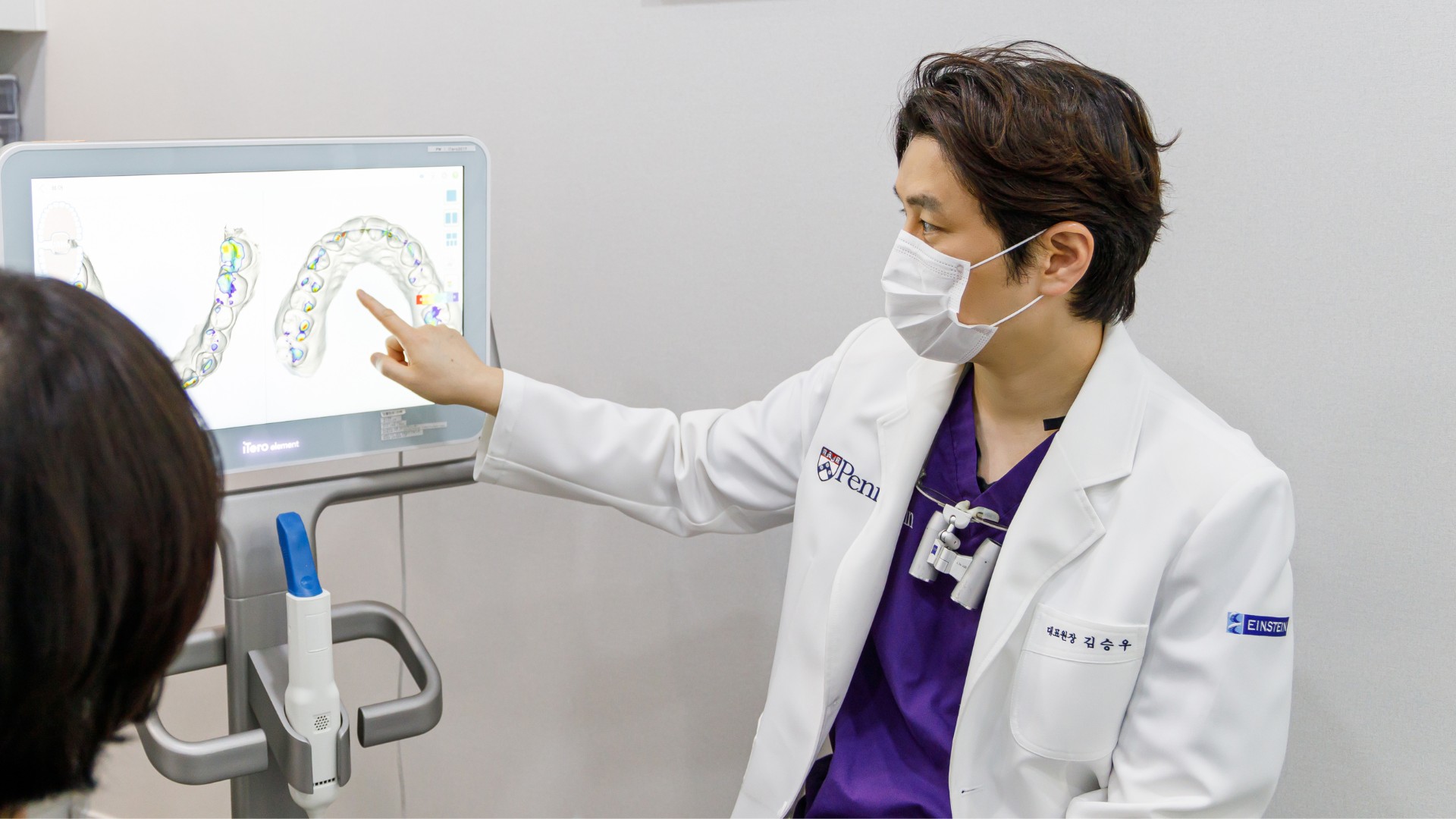
A safety-conscious clinic reviews imaging and explains findings before recommending treatment, not after.
- Digital X-rays and scans are reviewed together with the patient
- A written treatment plan and cost estimate is provided before any procedure begins
- Aftercare instructions are given in plain, direct English
6. What to Verify Before Booking
International patients can confirm a clinic’s safety standards in a few quick questions before their first appointment.
- Ask whether the dentist holds a national license and any additional specialty board certification
- Confirm that single-use items and autoclave sterilization are standard for every instrument, every patient
- Choose a clinic where consultations happen directly in English, without instructions getting lost in translation
Conclusion
Dental care in Korea can be every bit as safe as care at home — the difference comes down to choosing a clinic that treats licensing, sterilization, and clear communication as non-negotiable. At UPenn Barun Dental Clinic in Jamsil, Songpa-gu, consultations are conducted entirely in English by a native-English-speaking, ABO board-certified director, so nothing about your treatment plan gets lost between languages. If you’re weighing dental treatment during your time in Seoul, we’re happy to walk you through what a safe, transparent visit looks like.
Frequently Asked Questions
Do Korean dental clinics use the same sterilization standards as the U.S.?
Reputable Korean clinics follow autoclave sterilization and single-use instrument protocols that closely mirror U.S. and European infection-control standards. The equipment and process are rarely the issue — the key is choosing a clinic that applies these standards consistently to every patient, which is worth confirming before booking.
How can I verify a dentist’s license in Korea?
Dentist licensing status can be checked through the Ministry of Health and Welfare, since every practicing dentist must pass the National Dental Licensing Examination. For added assurance, ask directly whether the treating dentist holds any additional international specialty certification, such as ABO board certification.
Is it safe to get implants or orthodontic treatment in Korea without speaking Korean?
It’s safe as long as your clinic can explain the full treatment plan, risks, and aftercare in a language you understand without relying on translation apps or third-party interpreters. At UPenn Barun, all consultations and records are handled entirely in English by the director directly.
What questions should I ask before choosing a clinic in Seoul?
Ask about the dentist’s licensing and specialty credentials, whether sterilization is single-use and autoclave-based for every patient, and whether you’ll receive a written treatment plan with cost estimates before starting. Clear answers to all three are a strong sign of a safety-conscious clinic.
upennbarundental / US ORTHODONTIST