
upenn barun dental
Braces Cost in Korea vs. the United States: A Side-by-Side Comparison for International Patients
August 19, 2026|Braces|By UPenn Barun Dental Clinic
Braces in Korea typically cost 30-50% less than in the United States for comparable metal, ceramic, or self-ligating treatment, even after adding flights and accommodation. For international patients weighing where to straighten their teeth, price is often the first question and the hardest one to answer accurately. US orthodontic fees vary enormously by state and provider, while Korean pricing is frequently quoted in unfamiliar currency without context. A clear, side-by-side comparison makes the decision easier — and shows why so many foreign patients now choose Seoul.
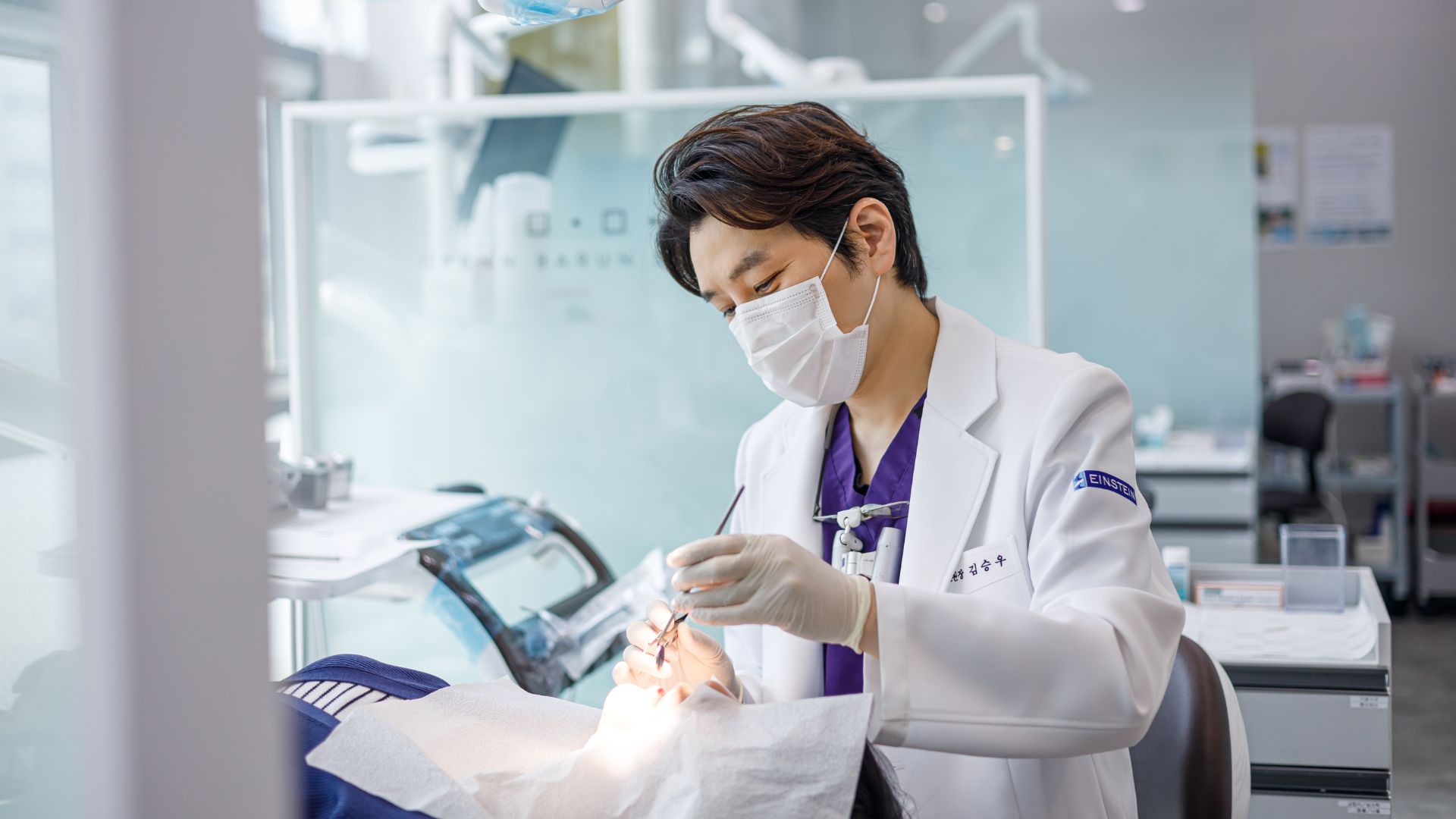
1. Average Braces Cost in the United States
US orthodontic fees are shaped by high clinic overhead, staffing costs, and regional demand, which pushes prices well above the global average for comparable care.
- Metal braces: roughly $5,000 to $7,500 for a full course of treatment
- Ceramic braces: roughly $6,000 to $8,500 depending on the practice
- Fees vary significantly by state, and treatment from a board-certified orthodontist typically costs more than from a general dentist
2. Average Braces Cost in Korea
Seoul clinics offer the same braces systems used in the US, but at a fraction of the price due to lower facility and labor costs.
- Metal braces: approximately 3,000,000 to 5,000,000 KRW (about $2,200 to $3,700)
- Ceramic braces: approximately 4,000,000 to 6,500,000 KRW (about $3,000 to $4,800)
- Self-ligating (Damon-type) braces run slightly higher but remain well below US equivalents
3. What’s Actually Included in the Price
Comparing headline numbers alone can be misleading, since US and Korean clinics bundle services differently. In Korea, the quoted fee more often includes initial records, the full bracket-and-wire system, monthly adjustment visits, and a first set of retainers within a single comprehensive price — similar to the US “global fee” model, but with a lower total because facility overhead is lower, not because materials or expertise are reduced.
Always ask any clinic, in either country, exactly which visits and retainers are covered before comparing totals.
4. Treatment Time and Visit Schedule
Braces treatment in both countries generally runs 18 to 24 months for adults, with adjustment visits every four to six weeks.
- Most patients need 18-24 months for a full case, similar in Korea and the US
- Short-term visitors can plan adjustment visits around return trips to Seoul
- Digital records make it easier to monitor progress remotely between visits
5. Credentials Behind the Lower Price
A lower fee does not mean lower-standard care when the provider’s training matches or exceeds US benchmarks. At UPenn Barun Dental Clinic, the director trained at the University of Pennsylvania and holds board certification from the American Board of Orthodontics (ABO) — the same credential US patients look for at home, delivered at Korean pricing and explained entirely in English.
6. Travel and Total Cost of Care
Even after adding flights and lodging, Korea often remains the more affordable option for foreign patients — and Jamsil’s transit access makes repeat visits simple.
- Round-trip flights and a short stay usually add far less than the US-Korea price gap saves
- UPenn Barun Dental Clinic is steps from Jamsilsaenae Station Exit 5 in Songpa-gu, Seoul
- Combining orthodontic visits with travel plans is common among international patients
7. Making the Decision as an International Patient
Cost matters, but so does being able to fully understand your treatment plan without a language barrier.
- English-language consultations remove the risk of miscommunication about fees or procedures
- Detailed records and receipts can support reimbursement claims with home insurers
- A single comprehensive quote upfront avoids surprise charges later in treatment
Conclusion
When flights, accommodation, and treatment fees are weighed together, braces in Korea frequently cost less than the same care in the United States — without any compromise on credentials or communication. If you’re comparing options for straightening your teeth while living in or visiting Korea, UPenn Barun Dental Clinic in Jamsil offers a clear, English-language consultation to walk you through exact pricing for your case.
Frequently Asked Questions
Is it really cheaper to get braces in Korea than in the US, even with travel costs?
In most cases, yes. The price gap between US and Korean orthodontic fees is often $2,000-$4,000, which typically covers flights and a hotel stay with room to spare, especially for patients already planning to visit or live in Korea.
How many trips to Korea are needed to complete braces treatment?
Full treatment usually requires monthly adjustments over 18-24 months, but patients based abroad often coordinate visits with existing travel plans, and digital progress checks can extend the interval between in-person appointments when needed.
Will my home country’s dental insurance reimburse treatment done in Korea?
Some insurers accept documentation from an overseas provider. UPenn Barun Dental Clinic provides detailed English-language records and itemized receipts that patients can submit to their home insurer, though reimbursement policies vary by provider.
Are the braces materials and brands used in Korea the same quality as in the US?
Yes. Korean clinics use the same internationally recognized bracket and wire systems, including metal, ceramic, and self-ligating options, found in leading US practices — the lower price reflects local overhead costs, not lower-grade materials.
upennbarundental / US ORTHODONTIST