

upenn barun dental
Medical Visa for Dental Treatment in Korea: Key Requirements for Foreign Patients
August 14, 2026|Seoul Dentist|By UPenn Barun Dental Clinic
Most foreign patients visiting UPenn Barun Dental Clinic for a short dental trip do not need a special medical visa — they can enter Korea under an existing visa-free or short-term entry arrangement, as long as treatment fits within that stay. A separate medical visa (C-3-3 or G-1-10) is only necessary for longer, staged treatment or when a patient’s nationality doesn’t qualify for visa-free entry. Because Korea’s visa-free and short-term entry programs already cover many nationalities for stays of 30 to 90 days, a single-visit procedure like a consultation, cleaning, or Invisalign check-up rarely requires anything beyond a valid passport. Treatments involving multiple stages — full-mouth implants, staged orthodontics, or extended recovery — are where a formal medical visa becomes worth understanding. This guide walks through what applies to you, and how UPenn Barun Dental Clinic in Jamsil supports the paperwork along the way.
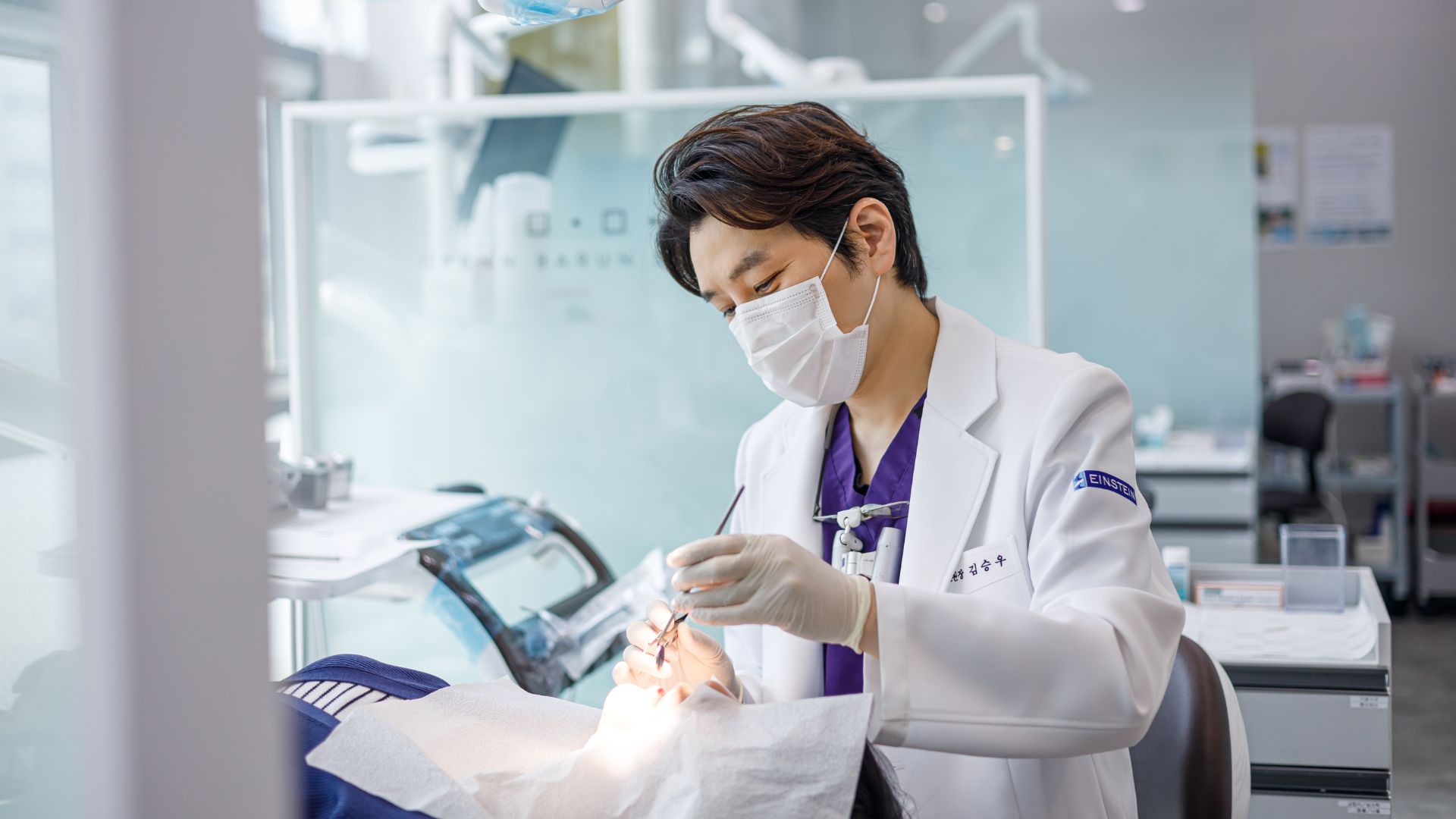
1. Visa-Free Entry vs. Medical Visa Requirements
Whether you need a visa at all depends first on your nationality and length of stay, not simply on the fact that you’re seeking dental care. Many countries hold visa-waiver agreements with Korea allowing entry for tourism, business, or short medical visits without a separate application. If your itinerary fits inside that window, standard entry is usually sufficient; if it doesn’t — or your country requires a visa for any entry — a medical-purpose visa becomes the correct route.
Always confirm current requirements with the Korean embassy or consulate nearest you, since rules vary by nationality and change periodically.
2. Types of Korean Medical Visas for Dental Care
Korea offers two visa categories most relevant to international dental patients.
- C-3-3 (Short-Term Medical Visa): for a single treatment course, typically valid up to 90 days, suited to implant placement, orthodontic starts, or multi-appointment restorative work.
- G-1-10 (Extended Medical Stay): for patients whose treatment plan runs longer than 90 days, such as staged implant rehabilitation with healing periods.
- Accompanying Family Visa: close family members supporting a patient can apply under a related category tied to the patient’s medical visa.
3. Documentation UPenn Barun Provides
A medical-purpose visa application needs proof that treatment is genuinely planned and medically justified, not just a travel itinerary. UPenn Barun Dental Clinic prepares the English-language paperwork Korean immigration authorities expect, drawn directly from your director-led consultation.
- A written treatment plan and cost estimate signed by the clinic director.
- An official invitation or confirmation letter documenting your scheduled procedure dates.
- Supporting records — X-rays, scans, and consultation notes — organized in English, with no interpreter needed.
4. Timing Treatment Around Visa Validity
Visa duration and treatment duration need to match, especially for procedures with built-in healing time. Dental implants, for example, often involve a placement visit and a second visit months later for the crown, which can mean two shorter trips under visa-free entry rather than one long stay under a medical visa.
Discussing your full timeline at the first consultation lets us recommend whichever route — visa-free re-entry or a single extended-stay visa — fits your schedule best.
5. Working With a Visa Agency or Medical Coordinator
Some patients, particularly those on more complex or multi-stage plans, choose to work with a Korea-based medical tourism agency or visa consultant to handle the government application itself. UPenn Barun Dental Clinic supplies the clinical documentation these agencies require and can coordinate directly with them so paperwork and appointment scheduling stay aligned.
6. What to Bring to Your First Consultation
Coming prepared to your first visit speeds up both your treatment plan and any visa paperwork that follows.
- Your passport and, if applicable, current visa or entry stamp details.
- Any prior dental records, X-rays, or treatment plans from your home dentist.
- A rough idea of your available travel dates so we can map treatment stages against them.
Conclusion
Navigating Korea’s visa system doesn’t need to be a barrier to getting the dental care you’re planning for. With an ABO board-certified director trained at the University of Pennsylvania consulting entirely in English, and a team experienced in preparing the documentation international patients need, UPenn Barun Dental Clinic in Jamsil, Songpa-gu, can help you plan a trip that fits both your treatment and your travel window. Reach out for a consultation, and we’ll help map your smile and your itinerary together.
Frequently Asked Questions
Do I need a visa just for a dental consultation in Korea?
If your nationality has visa-free entry to Korea and your visit fits within that stay, a consultation, cleaning, or single procedure typically doesn’t require a separate visa. Longer or staged treatment plans are where a medical visa (C-3-3) becomes relevant. Check current rules for your nationality with the Korean embassy before booking flights.
How long does a Korean medical visa take to process?
Processing times vary by embassy and nationality, generally a few weeks, so it’s best to start the application once your treatment plan and dates are confirmed. UPenn Barun Dental Clinic can provide the required documentation promptly to help avoid delays.
Can UPenn Barun Dental Clinic help arrange my visa directly?
The clinic prepares the treatment plan, cost estimate, and invitation letter Korean immigration requires, but the application itself is filed with the embassy or consulate, sometimes through a visa agency. We coordinate closely with whichever route you choose.
What if my implant or orthodontic treatment needs more than one trip to Korea?
Many staged treatments, like implants with a healing period, work well as two shorter visits under visa-free entry rather than one extended stay. We’ll map your treatment stages against your available travel windows during the first consultation.
upennbarundental / US ORTHODONTIST