

upenn barun dental
Root Canal Treatment in Seoul: Real Costs, Pain Levels, and What Foreign Patients Should Expect
August 12, 2026|Seoul Dentist|By UPenn Barun Dental Clinic
Root canal treatment in Korea typically costs between 150,000 and 500,000 KRW (roughly $110-$370 USD) per tooth depending on complexity, and modern technique with local anesthesia keeps discomfort minimal — most patients report far less pain during the procedure than they feared. Foreign patients searching for root canal cost in Korea are usually managing two worries at once: what the bill will look like without local insurance, and whether the procedure itself will hurt. Both concerns have clear, practical answers, and understanding them in advance makes the whole process far less stressful — especially for patients trying to fit treatment into a short stay in Seoul.
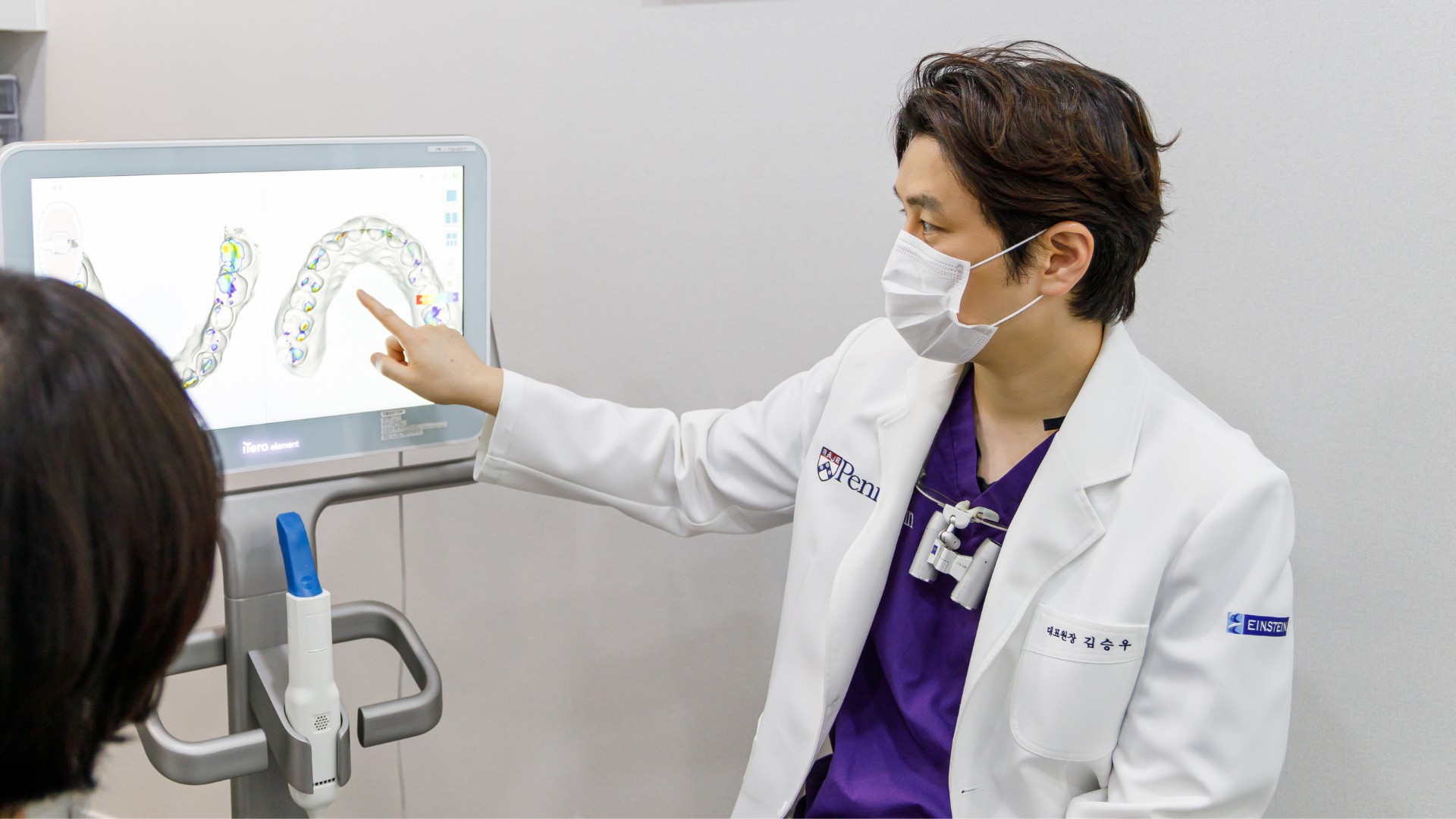
1. Real Cost of Root Canal Treatment in Seoul
Pricing depends mainly on which tooth is affected and how many canals it contains, since molars require more time and precision than front teeth.
- Front teeth (incisors): generally the least expensive, often 150,000-250,000 KRW.
- Premolars: mid-range pricing, typically 200,000-350,000 KRW.
- Molars: the most complex due to multiple canals, usually 300,000-500,000 KRW, sometimes more with a crown included afterward.
2. Why Korean Dental Care Costs Less Without Sacrificing Quality
Root canal treatment in Seoul is often 40-60% less expensive than comparable care in the United States or United Kingdom, but the gap comes from lower overhead and efficient clinic operations, not lower standards. Advanced imaging, rotary instruments, and microscope-assisted techniques are standard at reputable clinics, and many specialists — including UPenn Barun’s director — trained and were credentialed in the United States before practicing in Korea.
3. What the Pain Level Actually Feels Like
The phrase ‘root canal’ carries a reputation that no longer matches the modern procedure. Local anesthesia fully numbs the area before any instrumentation begins, so patients feel pressure and vibration rather than sharp pain. Mild soreness for one to three days afterward is normal and manageable with over-the-counter pain relief, similar to recovering from a filling.
4. Step-by-Step: What to Expect From Start to Finish
A typical root canal at a well-equipped Seoul clinic follows a predictable sequence, which helps patients planning around flights or limited vacation days.
- Diagnosis: X-ray and clinical exam confirm the infected or damaged nerve.
- Treatment: the canal is cleaned, disinfected, and shaped, usually in one to two visits of 30-60 minutes each.
- Restoration: the tooth is sealed and, for molars, typically capped with a crown for long-term strength.
5. National Health Insurance and Cost Transparency for Foreigners
Foreign residents enrolled in Korea’s National Health Insurance can access reduced rates for root canal treatment, similar to Korean nationals, while visitors without NHI pay standard non-covered pricing.
- NHI-enrolled patients: significant discounts on the base procedure.
- Non-enrolled visitors: full itemized quote provided before treatment begins, so there are no surprise charges.
- Ask for a written cost breakdown up front, especially if a crown or additional visit may be needed.
6. Why an English-Speaking, U.S.-Trained Specialist Matters
Root canal treatment involves precise decisions about how many visits are needed and whether a crown follows, so clear communication is essential. At UPenn Barun Dental Clinic in Jamsil, consultations and every step of treatment are conducted directly in English by a native English-speaking director trained at the University of Pennsylvania and board-certified by the American Board of Orthodontics, alongside conservative dentistry specialists — meaning no interpreter, no guesswork, and no gap between what a patient is told and what actually happens in the chair.
Conclusion
A root canal in Seoul doesn’t have to mean unclear pricing, language barriers, or unnecessary anxiety about pain. With transparent costs, modern pain management, and a treatment team that explains every step in fluent English, international patients can resolve the problem efficiently and get back to their trip or their life in Korea. UPenn Barun Dental Clinic, just steps from Jamsilsaenae Station Exit 5 in Songpa-gu, welcomes foreign patients for a clear, English-language consultation to map out the exact cost and timeline before treatment begins.
Frequently Asked Questions
How many visits does a root canal usually take in Korea?
Most cases are completed in one to two visits of 30-60 minutes each, depending on the tooth and how advanced the infection is. Front teeth with a single canal are often finished in one session, while molars with multiple canals may need a second visit before the tooth is sealed or crowned.
Will I need a crown after my root canal?
Front teeth often only need a filling, but molars usually require a crown afterward since they bear heavy chewing force and can crack without reinforcement. Your dentist will confirm this during the diagnosis stage and include the crown cost in your written quote.
Can I get a root canal done during a short trip to Seoul?
Yes — many foreign patients complete treatment within a single trip by scheduling visits a few days apart. Booking your consultation early and confirming whether a crown will be needed helps you plan your itinerary around the full timeline.
Does Korean National Health Insurance cover root canals for foreigners?
Foreign residents enrolled in NHI receive the same discounted rates as Korean citizens for standard root canal treatment. Short-term visitors without NHI pay non-covered pricing, which your clinic should itemize clearly before any work begins.
upennbarundental / US ORTHODONTIST