

upenn barun dental
TMJ and Jaw Pain Treatment for International Patients in Seoul
August 10, 2026|Orthodontic|By UPenn Barun Dental Clinic
TMJ (temporomandibular joint) disorder causing jaw pain, clicking, or headaches can be diagnosed and treated in Seoul through a structured process of clinical exam, imaging, and conservative therapy — all explained in English, with no interpreter needed, at UPenn Barun Dental Clinic. Jaw pain, clicking, or difficulty opening the mouth fully can be alarming when you’re living abroad and unsure where to turn. For international patients in Korea, understanding what causes TMJ disorder and how it is diagnosed and treated removes much of that uncertainty, and makes it far easier to get timely, appropriate care close to home in Jamsil.
1. Common Causes of TMJ Disorder
TMJ symptoms usually stem from a combination of mechanical and behavioral factors rather than a single cause.
- Teeth grinding or clenching (bruxism), often worsened by stress or travel-related sleep disruption.
- A bite misalignment that places uneven pressure on the jaw joint.
- Jaw injury, arthritis, or prolonged muscle tension from poor posture.
2. Symptoms Worth Monitoring
Not every jaw sound requires treatment, but certain patterns signal it’s time for an evaluation.
- Clicking, popping, or grinding noises when opening or closing the mouth.
- Pain or tenderness around the jaw, temples, ears, or neck.
- Locking of the jaw, or a bite that suddenly feels uneven.
3. What a Diagnostic Visit Involves
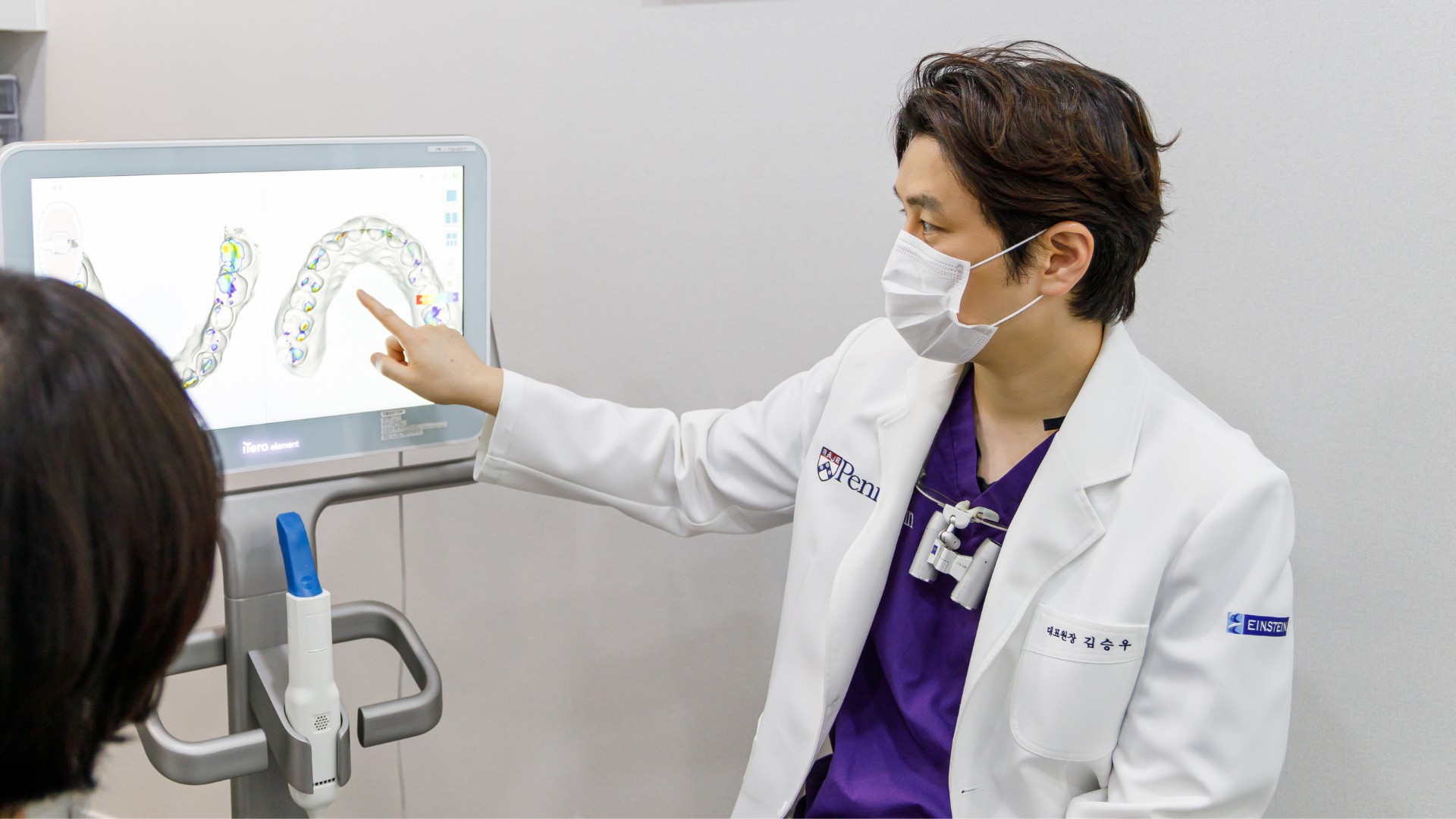
A thorough TMJ evaluation starts with a physical exam of jaw movement, joint sounds, and muscle tenderness, followed by a review of your bite and any history of grinding or clenching. Depending on the findings, digital imaging such as a panoramic X-ray or CBCT scan may be used to assess joint structure and rule out other causes of facial pain. At UPenn Barun, this process is walked through step by step in English, so patients understand exactly what is being checked and why before any treatment is recommended.
4. Conservative Treatment Comes First
Most TMJ cases respond well to non-invasive management before any orthodontic or restorative work is considered.
- A custom night guard to reduce clenching pressure during sleep.
- Jaw stretches, warm compresses, and short-term dietary adjustments to soft foods.
- Guidance on stress-related habits that contribute to muscle tension.
5. When Orthodontic or Restorative Care Is Needed
If a bite misalignment is a significant contributing factor, correcting it with braces, Invisalign, or restorative work can relieve chronic joint strain rather than just masking symptoms. This is where board-certified orthodontic expertise matters: treatment is planned around how the bite and jaw joint function together, not just how the teeth look, so the underlying cause is addressed rather than temporarily managed.
6. TMJ Care Designed for Visitors to Korea
For patients balancing a short stay in Seoul with an unresolved jaw problem, coordinated, English-language care removes a major source of stress.
- Consultations and treatment plans are explained directly by a native English-speaking, U.S.-trained, ABO board-certified director — no interpreter required.
- Diagnostic findings and next steps are documented clearly enough to share with a home-country dentist if needed.
- The clinic’s Jamsil location, steps from Jamsilsaenae Station Exit 5, makes follow-up visits easy to fit around a Seoul stay.
Conclusion
TMJ pain doesn’t have to be something you simply tolerate until you’re back home — a clear diagnosis and a conservative, well-explained treatment plan can bring real relief while you’re in Seoul. If jaw pain, clicking, or tension headaches have been bothering you, UPenn Barun Dental Clinic in Jamsil welcomes international patients for an English-language consultation to identify the cause and map out the right next step.
Frequently Asked Questions
Can TMJ disorder be treated without surgery?
Yes. The great majority of TMJ cases improve with conservative measures such as a custom night guard, jaw exercises, and habit changes. Surgery is reserved for a small number of severe or structural cases that don’t respond to these initial steps, so it’s rarely the first recommendation.
How long does TMJ treatment typically take?
Mild cases often improve within a few weeks of using a night guard and adjusting habits. Cases tied to bite misalignment that require orthodontic correction take longer, generally several months to over a year, since the goal is to resolve the underlying cause rather than just the symptoms.
Will my consultation be conducted in English?
Yes. At UPenn Barun Dental Clinic, the director is a native English speaker who personally handles consultations, diagnosis, and treatment explanations, so international patients can discuss symptoms and options directly without relying on a translator.
Is TMJ pain always related to my bite or teeth?
Not always — stress-related clenching, jaw injury, or joint arthritis can all cause similar symptoms without any bite misalignment. This is why a proper diagnostic exam, rather than assumptions, is important before deciding whether orthodontic treatment is actually needed.
upennbarundental / US ORTHODONTIST