

upenn barun dental
Invisalign Refinements Explained: Why Extra Aligner Steps Lead to a Better Final Result
July 19, 2026|Invisalign|By UPenn Barun Dental Clinic
Invisalign refinements are additional aligner sets prescribed when teeth need further fine-tuning after an initial treatment phase — they are a planned, expected part of comprehensive clear-aligner care, not a sign that something went wrong. Most Invisalign patients reach a stage where their orthodontist recommends a fresh set of aligners to address remaining tooth movements. Understanding why refinements happen and what they involve helps you feel confident rather than concerned when your provider recommends them.
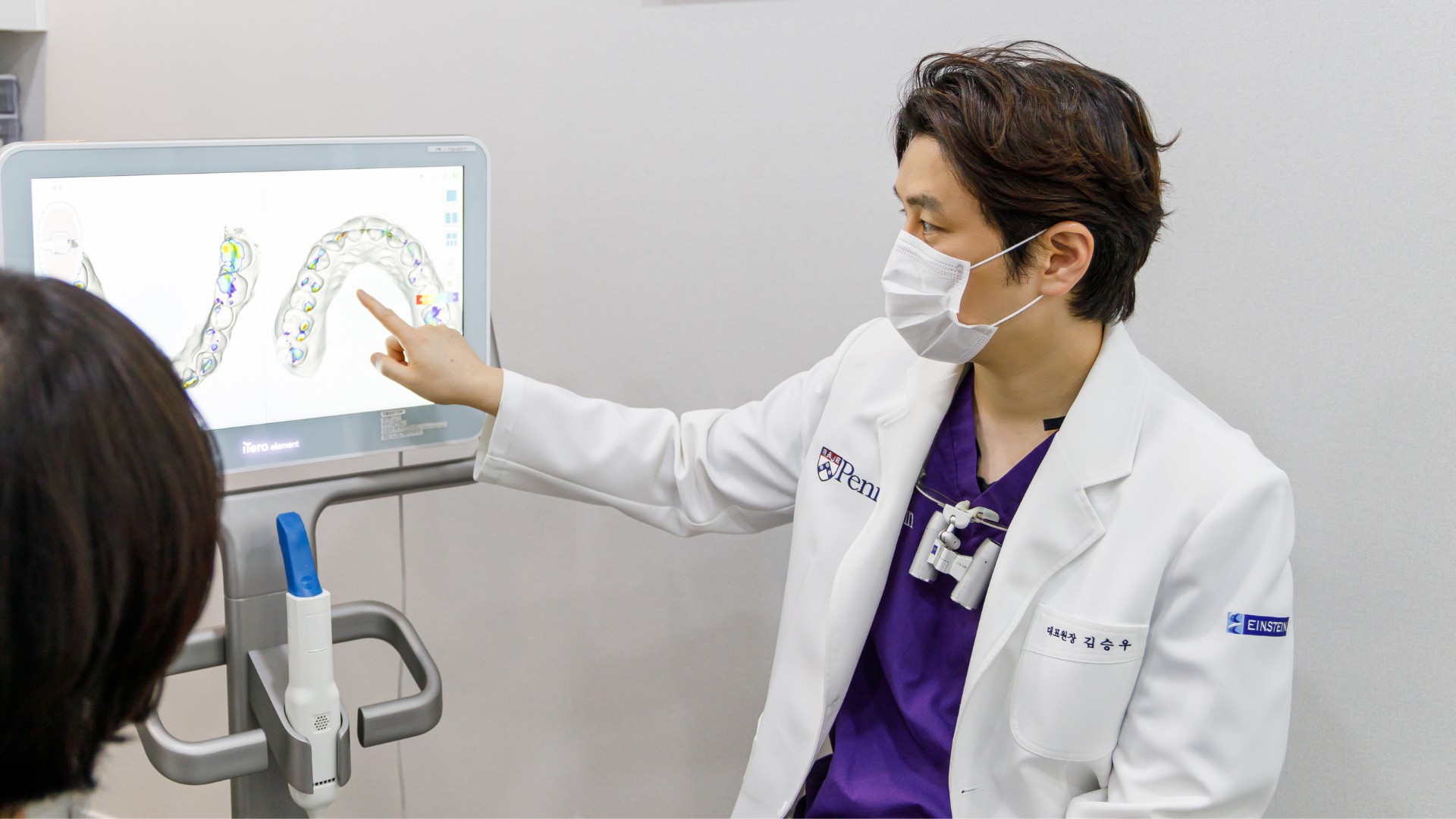
1. What Invisalign Refinements Are
Refinements are a follow-on series of aligners fabricated after your initial sequence ends, designed to correct any gap between your teeth’s actual position and the original digital treatment goal.
- New refinement aligners are made from an updated intraoral scan taken when your initial series is complete.
- They target specific teeth that did not finish moving as planned during the first aligner phase.
- A single refinement series typically adds 4–16 additional aligners, depending on the corrections required.
2. Why Teeth Do Not Always Follow the Digital Plan Perfectly
Teeth are anchored in living bone, and the biological response to aligner pressure varies from patient to patient — so outcomes do not always match the original ClinCheck simulation with perfect precision.
- Wearing aligners fewer than 20–22 hours daily is the most common patient-related cause of incomplete tooth movement.
- Prior dental work, bone density, and individual tooth anatomy can limit how predictably specific teeth respond.
- Complex rotations, vertical movements, and root-parallel corrections are inherently harder to control with clear aligners alone.
3. How an ABO-Certified Orthodontist Plans Refinements
A board-certified specialist compares the actual clinical outcome to the original plan and prescribes only the movements that are biomechanically achievable in the next aligner series — avoiding over-engineering and unnecessary additional phases. This level of clinical scrutiny is what separates a comprehensive Invisalign provider from a routine one.
At UPenn Barun Dental Clinic in Jamsil, the clinic’s director — a native English speaker and board-certified member of the American Board of Orthodontics — personally leads every refinement review, conducted entirely in English.
4. What to Expect During the Refinement Phase
The refinement process mirrors your initial Invisalign experience: a new intraoral scan, a revised ClinCheck plan you review and approve, and a fresh set of custom-fabricated aligners.
- Attachments may be repositioned or added to improve force delivery on teeth that resisted movement in earlier aligners.
- You will see and approve the updated digital plan before any new aligners are ordered or fabricated.
- Most refinement series are covered under the original Invisalign case fee when treatment is managed by an authorized provider.
5. Refinements and Your Overall Treatment Timeline
One round of refinements typically adds two to four months to total treatment time, though the exact duration depends on the scope of remaining corrections.
- Beginning refinements promptly after your initial series prevents any relapse in the tooth positions already achieved.
- If wear-time compliance was a contributing factor, the refinement phase is a natural opportunity to rebuild the habit.
- Retention begins once your orthodontist confirms your tooth positions match the revised final treatment goal.
6. Managing Refinements as a Foreign Patient in Seoul
For expats and international visitors managing Invisalign in Korea, refinements can raise practical questions about scheduling and clinical communication — having a fully English-speaking clinic handle every stage eliminates the biggest source of uncertainty.
- Refinement check-up appointments can be timed around international travel or home-country visits when planned in advance.
- UPenn Barun Dental Clinic maintains all treatment records and communications in English to support continuity of care.
- The clinic is located steps from Jamsilsaenae Station (Exit 5) in Jamsil, Songpa-gu, Seoul — straightforward to reach from across the city.
Conclusion
Invisalign refinements are not a detour — they are the final precision step toward the result you came for. At UPenn Barun Dental Clinic in Jamsil, Songpa-gu, Seoul, every stage of your Invisalign treatment, including refinements, is guided by a native English-speaking, ABO-certified orthodontist who explains each step clearly and in full. If you are in Seoul and want to understand how refinements might apply to your specific case, we invite you to schedule a consultation.
Frequently Asked Questions
Are Invisalign refinements included in the original treatment fee?
In most cases, yes. Invisalign’s standard case contract includes refinements for a defined period — typically five years — when treated by an authorized provider. Your orthodontist should clarify exactly what is covered before treatment begins so there are no unexpected costs at the refinement stage.
How many rounds of refinements will I need?
Most patients complete one round of refinements. More complex cases, or those with lower aligner compliance, occasionally require a second. An ABO-certified specialist tracks movement progress closely so that any refinements prescribed are targeted and efficient rather than open-ended.
Can I start Invisalign in Seoul and receive refinements in another country?
It is technically possible but not recommended. Refinement scans, attachment adjustments, and progress evaluations require hands-on care from a provider who knows your case in detail. UPenn Barun maintains all records in English to aid any overseas provider, but single-provider continuity consistently produces better outcomes.
How will I know when I am ready for refinements?
Your orthodontist assesses your progress when you reach the final aligner in your initial series. They compare actual tooth positions to the treatment target through a clinical exam and a new intraoral scan. If a discrepancy remains, refinements are prescribed at that visit — nothing you need to self-diagnose.
upennbarundental / US ORTHODONTIST