
upenn barun dental
Finding an English-Speaking Dentist in Seoul—A Practical Guide for Expats
July 11, 2026|Seoul Dentist|By UPenn Barun Dental Clinic
Finding a qualified English-speaking dentist in Seoul is straightforward once you know what to look for: genuine clinical-level English fluency, internationally recognized credentials, and a clinic built around foreign patients. Jamsil, in Songpa-gu, has become one of Seoul’s most accessible hubs for expat dental care. Seoul’s dental scene is world-class, but navigating it without real language support can turn a routine check-up into an anxious guessing game. Expats who prioritize clinics where the treating dentist—not just the receptionist—communicates fluently in English consistently report fewer misunderstandings, better-informed consent, and outcomes that match expectations. The checklist below makes that search faster and more reliable.
1. Genuine English Fluency vs. Basic Communication
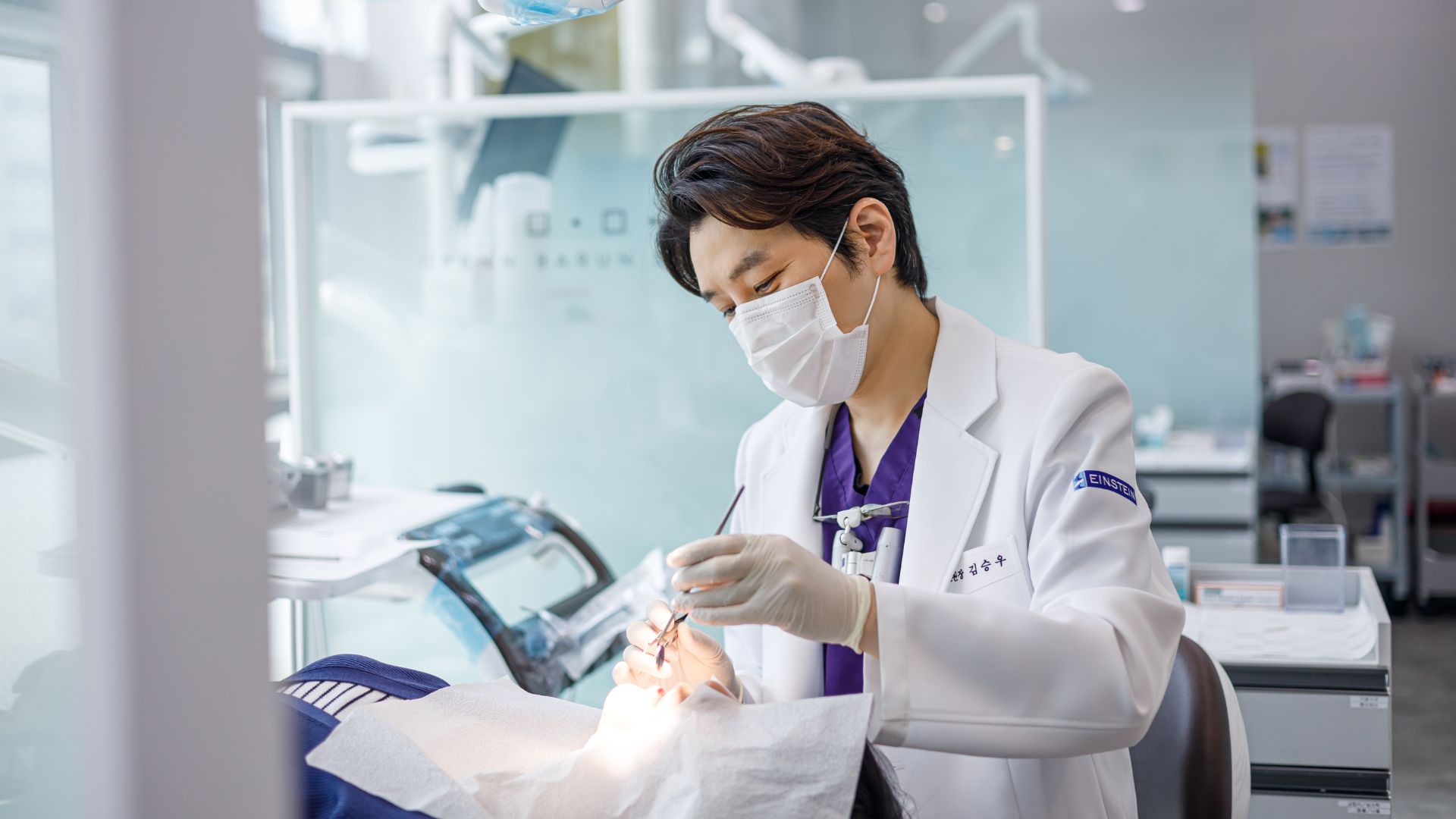
There is a significant difference between a dentist who can exchange pleasantries and one who can explain a root canal, discuss risk factors, and take a complete medical history—all in clear English.
- Look for clinics where the treating dentist (not a bilingual staff member) speaks English natively or at near-native proficiency.
- A native English-speaking director eliminates the telephone-game effect of interpreter-assisted consultations.
- Ask directly when you book: ‘Will the dentist personally explain my treatment plan in English?’
2. International Credentials and Board Certification
A dentist trained in or credentialed by a recognized Western institution brings a familiar standard of care that international patients can benchmark against their home-country experience.
- U.S. specialist training—such as a University of Pennsylvania graduate program—signals rigorous clinical and academic standards.
- American Board certification (e.g., ABO for orthodontics) requires ongoing competency testing beyond the initial degree.
- These credentials are publicly verifiable; ask the clinic to share documentation before your first visit.
3. Location and Getting There
Accessibility matters, especially for expats with demanding work schedules or tourists fitting treatment into a short stay in Korea. Jamsil (Jamsilsaenae Station, Exit 5) sits on two major Seoul Metro lines, reachable from most city districts in 20–40 minutes. Clinics near major stations also tend to attract consistent international patient volumes, meaning front-desk teams develop real familiarity with foreign insurance paperwork, overseas medical records, and flexible scheduling—a practical advantage that goes beyond mere convenience.
4. Range of Services Under One Roof
Expats and visitors often discover they need more than one type of treatment once they sit in the chair. Choosing a multi-specialty clinic prevents the frustration of transferring records and starting over with a new provider.
- Confirm the clinic covers general, orthodontic, implant, and pediatric dentistry if your family has varied needs.
- Ask whether dedicated specialists—not generalists stretched across all fields—handle complex cases.
- In-house pediatric and conservative dentistry specialists are a particular advantage for families relocating to Seoul.
5. Cost Transparency and Payment
Dental fees in Seoul are often 30–60% lower than equivalent treatments in the U.S., U.K., or Australia—but only if you receive a detailed, itemized treatment plan upfront, in writing, in English.
- Request a line-by-line estimate before any procedure begins so there are no surprises at checkout.
- Clarify which items fall under Korean National Health Insurance (NHI) and which are out-of-pocket.
- Most Seoul clinics accept major international credit cards; confirm this when you book.
6. What to Bring to Your First Appointment
Once you have identified the right clinic, a smooth first visit depends on simple preparation. Bring a list of current medications and known allergies, any recent dental X-rays (digital files are accepted), and your insurance card or policy number if applicable.
Clinics experienced with foreign patients often provide English-language intake forms and can email a pre-visit checklist—ask when you make your appointment so paperwork does not slow down your consultation time.
Conclusion
Finding the right English-speaking dentist in Seoul comes down to three non-negotiables: genuine fluency at the clinician level, internationally recognized credentials, and a clinic culture built for foreign patients from the ground up. UPenn Barun Dental Clinic in Jamsil meets all three—led by a native English-speaking director who trained at the University of Pennsylvania and holds American Board of Orthodontics (ABO) board certification, alongside on-staff specialists in pediatric and conservative dentistry. If you are an expat or visitor ready to take that next step, we invite you to book a consultation at Jamsilsaenae Station (Exit 5) and experience dental care that feels familiar from the very first conversation.
Frequently Asked Questions
How do I know if a Seoul dentist is truly fluent in English, not just conversational?
The clearest indicator is whether the treating dentist—not a bilingual receptionist—personally handles your consultation and explains the diagnosis in English. Ask directly: ‘Will the dentist explain my treatment plan to me in English?’ A native English-speaking director eliminates interpreter-related errors entirely and is the gold standard for foreign patients seeking clear, accurate communication about their care.
Is dental care at an English-speaking clinic in Seoul significantly more expensive?
Not necessarily. Even specialist-level clinics in Seoul typically cost 30–60% less than equivalent care in the U.S. or U.K. English proficiency adds real service value but rarely commands a large price premium. Always request an itemized quote in English before committing to a treatment plan so you can compare costs with confidence.
Can I receive orthodontic and general dental treatment at the same Seoul clinic?
Yes—multi-specialty clinics allow you to manage everything from routine cleanings to Invisalign or implant treatment in one place. Look for clinics with dedicated specialists in each field rather than generalists. UPenn Barun Dental Clinic in Jamsil offers orthodontic, implant, general, and pediatric services under one roof, handled by qualified specialists.
What documents should I bring to my first appointment at an English-speaking Seoul clinic?
Bring a photo ID, your insurance card or policy details, a list of current medications and known allergies, and any recent dental X-rays (digital files are fine). Many expat-friendly clinics provide English-language intake forms—ask when booking whether these can be sent in advance to save time on the day of your appointment.
upennbarundental / US ORTHODONTIST